
New York City is home to some of the world’s busiest airports, where heavy air traffic naturally increases the risk of aviation incidents. Unfortunately, not every flight ends with a successful landing and a round of applause. While plane crashes are rare, each one is a tragedy that brings critical attention to flight safety, aircraft maintenance, and weather conditions. In this article, we look back at five of the deadliest and most significant plane crashes that have occurred in the city’s history.
Flight 405
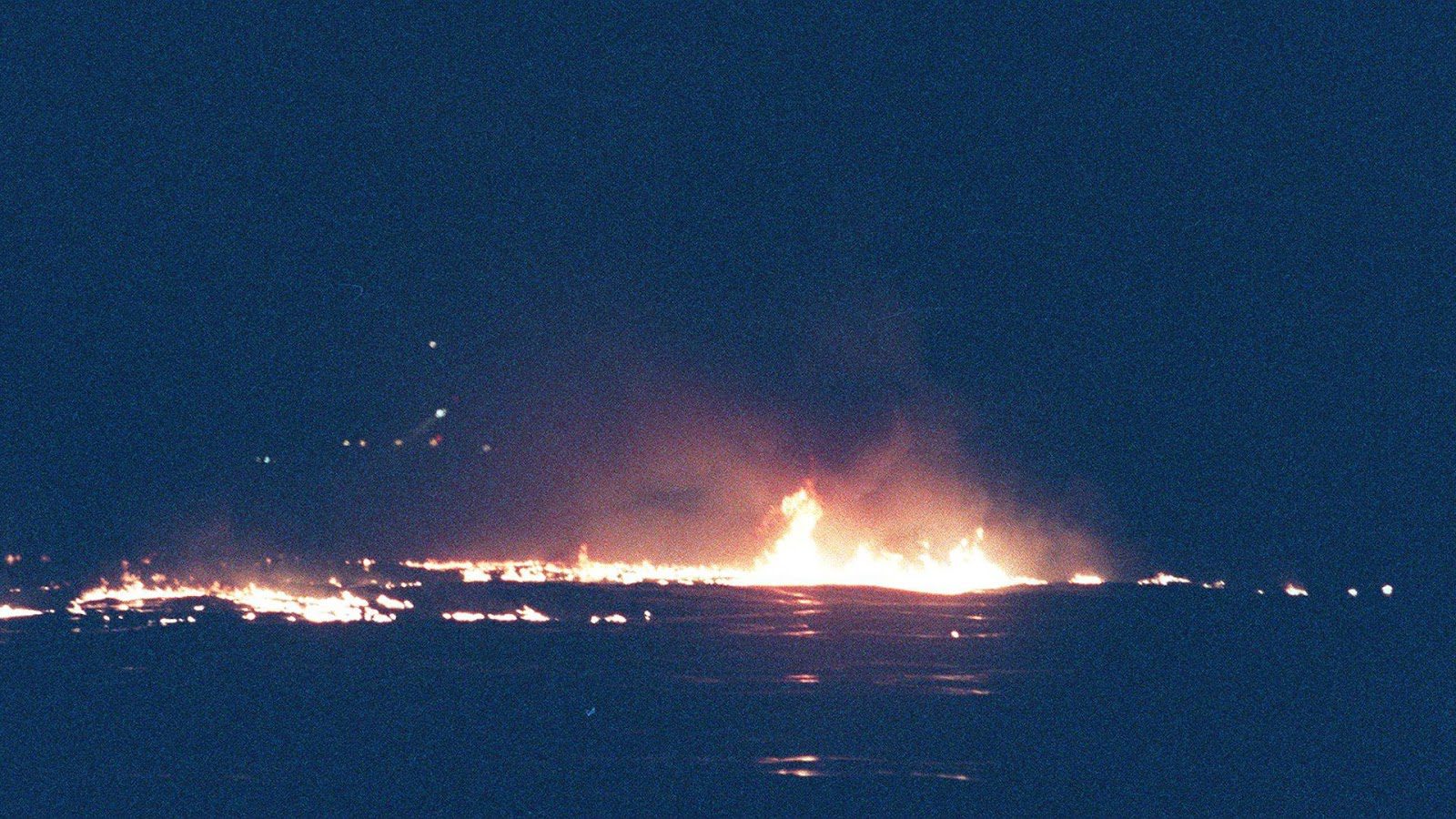
On March 22, 1992, Flight 405, a Fokker F28 headed from LaGuardia Airport to Cleveland, Ohio, crashed into Flushing Bay shortly after takeoff. At the time of the crash, there were 47 passengers and 4 crew members on board. Sadly, three crew members and 24 passengers died in the tragedy.
According to the official report, the crash happened during takeoff in cold, wet weather. The investigation found that the aircraft’s wings were not sufficiently cleared of ice and snow, which impaired the plane’s aerodynamics during liftoff and caused it to fall into the bay.
After the crash, the NTSB (National Transportation Safety Board) faulted the airline industry and the Federal Aviation Administration for not having proper de-icing procedures in place. Following the incident, every airline was required to thoroughly inspect their planes during the winter months.
Flight 3407
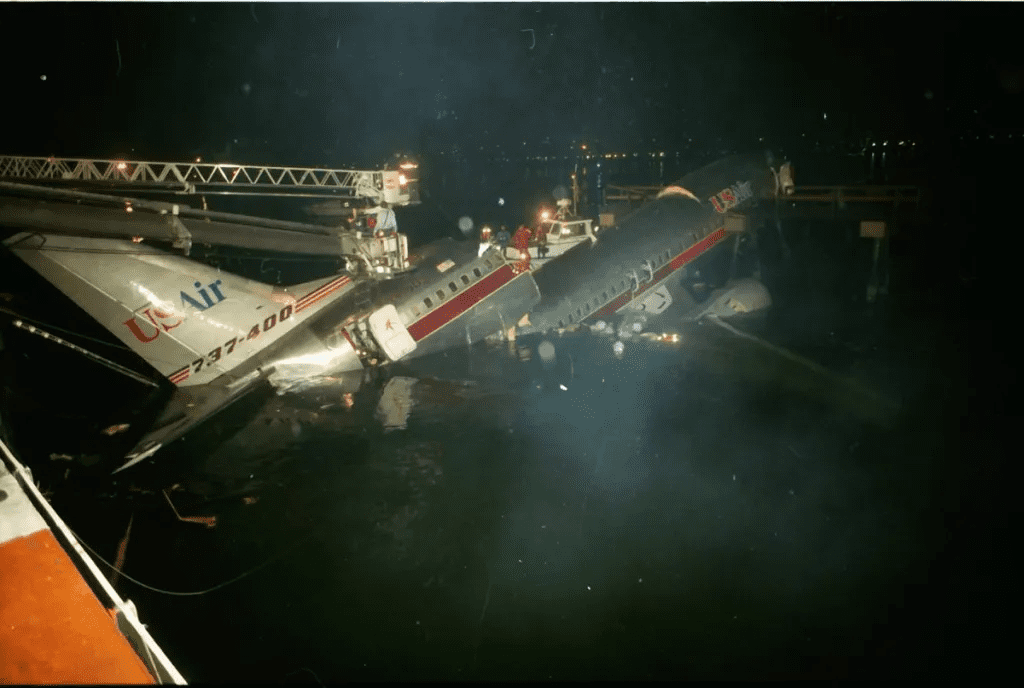
On February 12, 2009, a plane crash occurred in the suburbs of Buffalo, New York. Flight 3407 departed from Newark, New Jersey, bound for Buffalo but crashed before it could land at Buffalo Niagara International Airport. The Bombardier Q400 stalled and crashed into a house in Clarence Center. Tragically, 49 crew members and passengers died, as well as one person on the ground in the house that was hit.
The NTSB concluded that the probable cause of the accident was the pilot’s inadequate response to the activation of the stick shaker, which led to an aerodynamic stall from which the aircraft never recovered. However, this was just one factor in the crash. Investigators also noted that the crew’s inability to monitor their airspeed relative to the low-speed cue was another contributing factor, as was the pilot’s general inability to effectively manage the flight. Some investigators also suggested that the inadequate airspeed selection and management procedures during icy conditions, which were used by the airline Colgan Air, contributed to the tragedy.
Avianca Flight 52
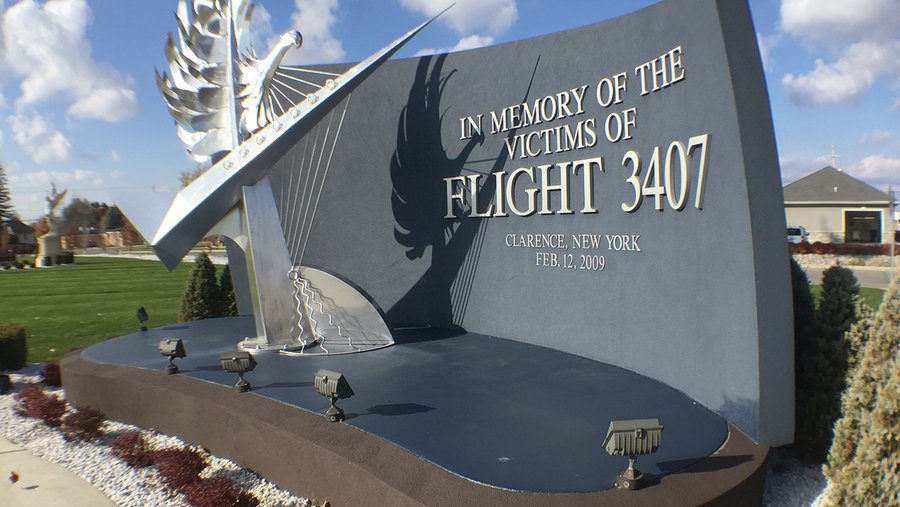
On January 25, 1990, Avianca Flight 52, a Boeing 707, was traveling from Bogotá, Colombia, to New York’s JFK Airport. After receiving clearance to land, the plane crashed before it could make it to the runway. The crash killed 73 of the 158 passengers on board. The plane had run out of fuel and was unable to land at the airport. It came to a stop nose-up on a steep hill in a densely populated residential area after clipping several trees. The wreckage took down power lines and blocked the only access road to the area.
The first responders to the scene were a patrol from the Nassau County Second Precinct, who radioed for multiple units to assist. The news of the crash was broadcast on local television, which caused hundreds of people to rush to the area. The narrow road leading to the crash site was in danger of being completely blocked due to the large number of people who had gathered. Police and firefighters worked quickly to clear the area and rescue the survivors.
A New York commission later criticized Avianca for failing to provide its crew with the latest information on wind gusts in New York, which could have helped the pilot anticipate the landing delay and plan an alternative destination.
Flight 66
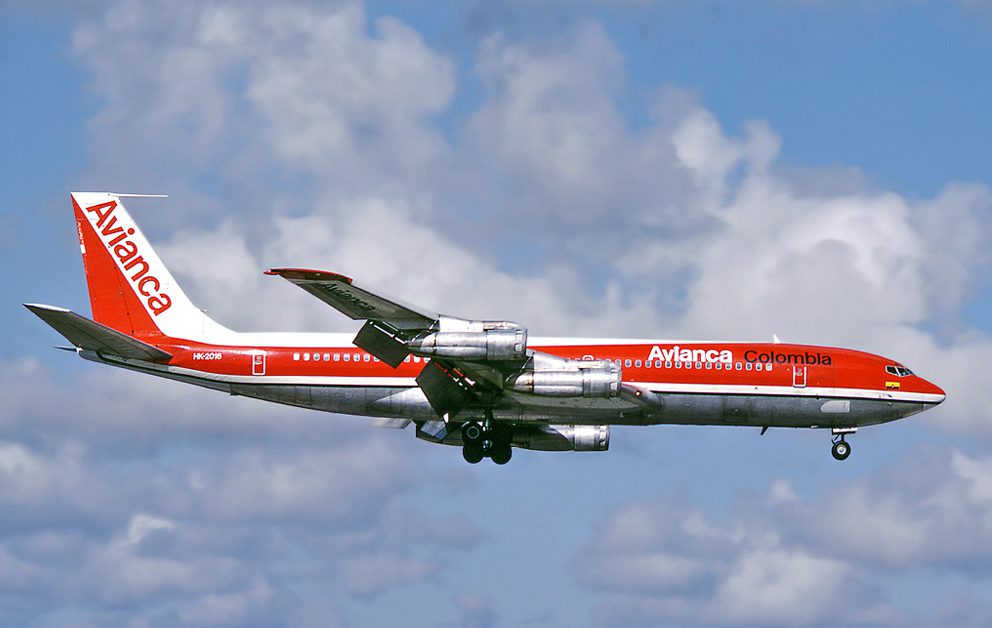
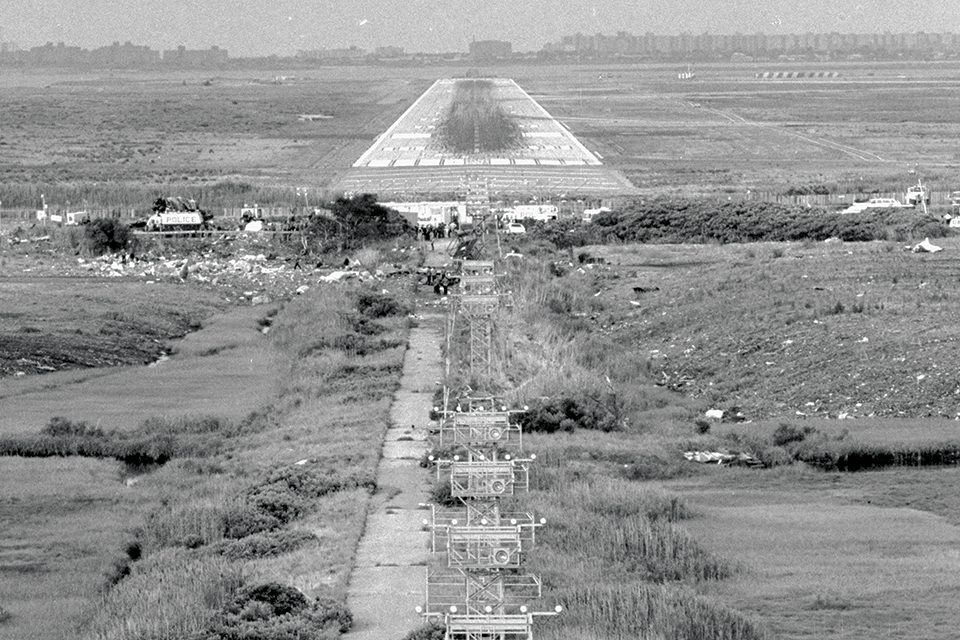
On the morning of June 24, 1975, New York was preparing for an approaching thunderstorm. By noon, rain was pouring down, and strong winds were blowing over the city. It was just minutes after noon when two planes approaching JFK Airport were preparing to land on Runway 22. One of the planes, Eastern Airlines Flight 66 (a Boeing 727), reported high turbulence as it came in to land. Despite this report, air traffic controllers allowed both planes to land. As the Boeing 727 neared the runway, it was hit by a sudden gust of wind. The plane’s left wing was clipped by the approach lights in a matter of seconds, and it soon broke into pieces upon impact with the ground. The flight, which was traveling from New Orleans to Queens, had 124 people on board, eight of whom were crew members. Sadly, everyone but 11 people died in the crash.
TWA Flight 800
On July 17, 1996, a plane carrying 212 passengers and 18 crew members departed from JFK International Airport, heading for Paris. At approximately 8:30 p.m., about 13 minutes after takeoff, the TWA aircraft exploded over the Atlantic Ocean, killing all 230 people on board.
The plane was at an altitude of 13,000 feet when air traffic controllers instructed the pilot to climb to 15,000 feet. A minute after this command, the flight crew suddenly stopped transmitting data. While many possible explanations exist for the sudden demise of Flight 800, there is not enough evidence to support one single theory for the cause of the disaster. After an investigation by the NTSB, it was concluded that the most likely explanation for the incident was an internal explosion in the center wing fuel tank.
Many eyewitnesses reported that a missile hit the plane, after which debris appeared over the Atlantic Ocean. Other theories included a structural failure of the plane as it was ascending to 15,000 feet. Some believed there was a bomb inside the plane. Another theory that emerged (though unproven) was that TWA Flight 800 was indeed struck by a missile from a nearby U.S. military base. Despite the reports, the NTSB found no evidence of missiles or explosives at the crash site.
Approximately 95% of the plane’s wreckage was recovered, and no chemical residues (typically associated with bombs or missiles) were found. NTSB investigators believe that an explosion in the center wing fuel tank (CTW) was the most probable cause of the incident. The fuel may have been easily ignited by a short circuit in a wire connected to the fuel level sensor in the tank, leading to an ignition. However, investigators found no prior problems with the aircraft.
After the crash, the Federal Aviation Administration (FAA) worked diligently to develop new ways to minimize the likelihood of fuel tank explosions. For example, since 2008, all new aircraft have been required to install a system that fills fuel tanks with nitrogen gas to minimize accidental explosions.