
The name Kartveli is not as well known to the general public as Boeing, McDonnell, Douglas, or Lockheed. This is not surprising, as no aircraft manufacturing company is named after Alexander Kartveli. However, his contribution to the development of global and American aviation was extremely significant. Read on new-york-future.com for more about this Caucasian aircraft designer whose planes became legends of the American Air Forces.
From Georgia to America
Alexander Kartvelishvili, who the aviation world would later know as Alexander Kartveli, was born in 1896in Tiflis—the cultural center of the Caucasus at the time and part of the vast Russian Empire. He came from an ancient Georgian family; the word “Kartveli” itself means Georgian.
Young Kartveli studied in Saint Petersburg, and with the outbreak of World War I, he became an artillery officer in the Russian Army. In the post-war political upheaval, his native Georgia briefly gained independence and sent the capable young officer to France to study aeronautics—a new science that captured the world’s imagination.
When the Bolsheviks occupied Georgia, there was nowhere to return to. To pay for his studies at the legendary Institut Supérieur de l’Aéronautique, Alexander took on various jobs: math teacher, circus acrobat on a trapeze, and novice designer.
In 1922, Kartveli graduated from the institute and joined the company of Louis Blériot—a legendary aviation innovator. It was here that his talent flourished. He created bold designs, and one of Kartveli’s planes even set a world speed record in 1924.
Alexander didn’t just draw planes—he tested them. And one time, this had tragic consequences: an accident severely injured his spine, ending his career as a pilot but not as an aircraft designer.
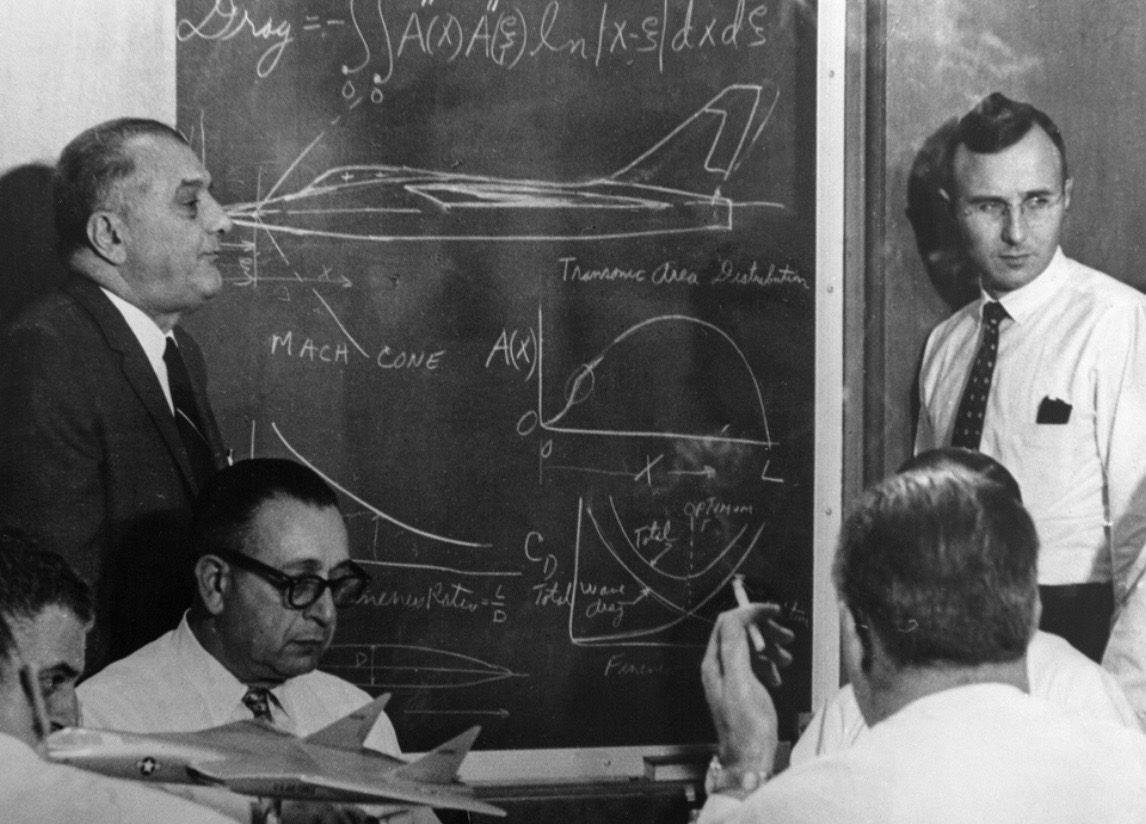
In 1927, a decisive turning point occurred in Kartveli’s life. American millionaire and aviation enthusiast Charles Levine invited the young engineer to the U.S. Alexander arrived in New York with almost no money but a large wealth of ideas. He quickly found his place in the American aviation industry. The young, ambitious aircraft designer worked at several companies, including Fokker American. But the real story began in 1931, when he met another legend—Alexander de Seversky, a prominent aviator and also a native of Tiflis. Seversky immediately recognized Kartveli’s genius and hired him as the Chief Engineer of his company, Seversky Aircraft Corporation.
In tandem with Seversky, Kartveli created a series of revolutionary models, including:
- SEV-1XP—an aircraft that surpassed the legendary Curtiss P-36 Hawk in the 1936 competition.
- P-35—the first modern U.S. Army fighter with an all-metal fuselage, low wing, radial engine, and retractable landing gear.
Alexander left his homeland but built a new home in the country where his planes helped change the course of war. And it was in America, where Kartveli arrived with virtually nothing, that his talent shone the brightest.
Republic Aviation
In 1939, Alexander de Seversky was ousted from the leadership of his own company—and thus Republic Aviation Corporation was born. It was at this moment that the era of Alexander Kartveli began; he became the company’s Chief Designer, Vice President, and driving force.
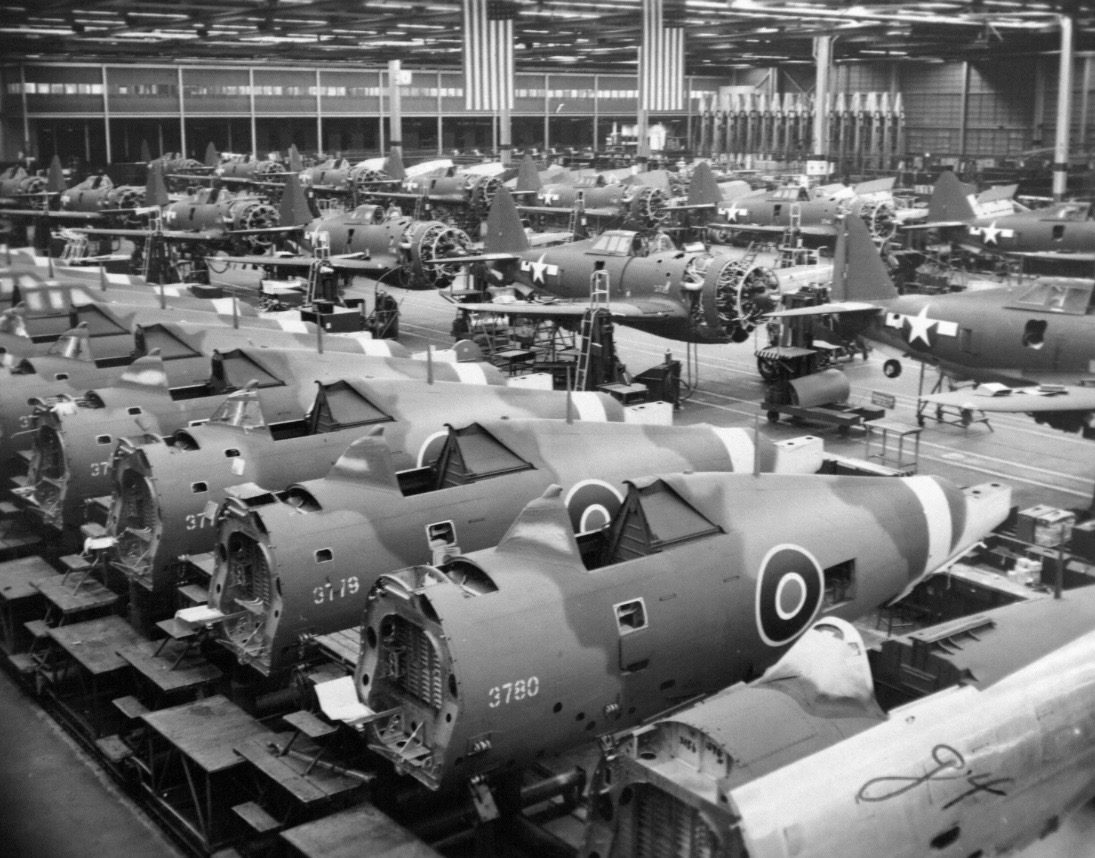
His first major project was the P-47 Thunderbolt—the legendary fighter that would eventually break the back of the German Luftwaffe. The first two prototypes (XP-44 and XP-47) were rejected by the U.S. Army Air Forces, and, returning to New York by train, Kartveli literally drew a new design from scratch. This is how the “Thunderbolt” was born—a strong, heavily armed, and incredibly survivable aircraft, of which over 15,000 would later be built.
The P-47 became the largest and most expensive single-engine fighter of its time. It could carry half the bomb load of a B-17 and remained one of the safest planes for pilots—a rare combination of power and reliability.
After World War II, the jet age began, and Kartveli was once again at the forefront. As early as 1944, he created the concept for the F-84 Thunderjet, and mass production started in 1946. A modernized version later appeared—the F-84F Thunderstreak with swept wings. In total, over 10,000 planes of these two models were produced.
In parallel, Kartveli worked on radical experiments:
- XF-103—a project for a supersonic interceptor with a turbo-ramjet engine. The project failed due to the inability to create an engine capable of operating at Mach 3.
- XF-12 Rainbow—an elegant flying photo lab that never went into serial production.
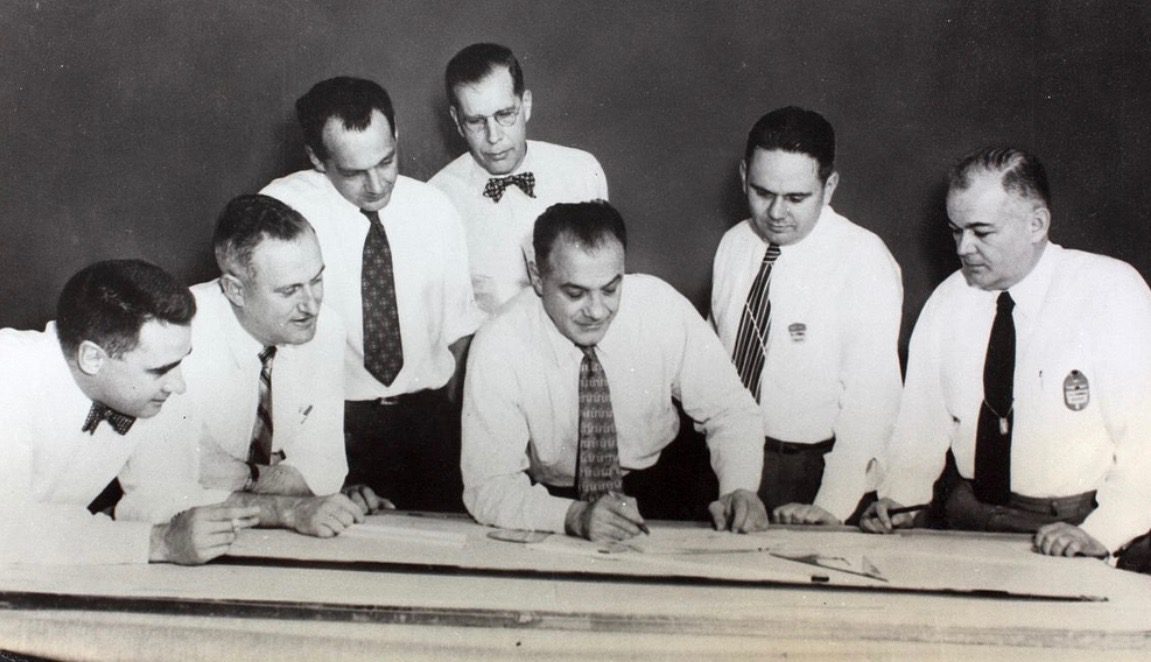
Kartveli later led the creation of the F-105 Thunderchief, one of the main strike aircraft of the Cold War. The culmination of his career was the A-10 Thunderbolt II project, known as the Warthog—the most powerful close air support aircraft in the world. By design and philosophy, the A-10 was the spiritual heir to the P-47: survivable, deadly, and unbreakable.
The company, located in Farmingdale on Long Island, became a key manufacturer of U.S. combat aircraft. From the P-47 to the A-10—its projects shaped American military superiority for decades.
A Genius in Secrecy
For most of his life, Alexander Kartveli lived in the shadow of his own secrets. His work was so closely tied to U.S. defense that for years he remained almost invisible to the wider public. Like many engineers of the Cold War era, his biography was concealed from prying eyes—not out of vanity, but because of the real risks of espionage, kidnapping, and political intrigue. Only after his death did the curtains of secrecy begin to open: the archives of the Smithsonian Institution and the Lockheed company finally confirmed what engineers had long known—Kartveli played a key role in shaping U.S. air superiority.
Every Kartveli project is a story about an engineer who saw further than others. His planes flew millions of combat missions, and some are still in service today. He created machines that saved lives—even when their purpose was to deliver strikes.
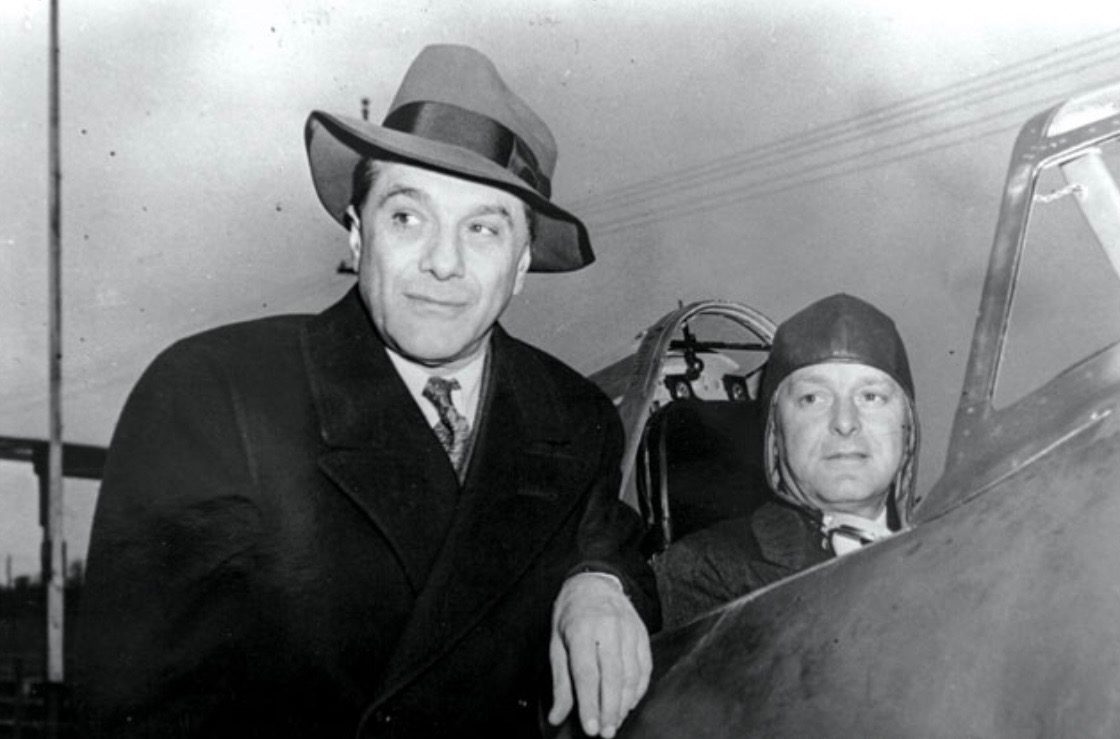
Kartveli often remained in the background, but his ideas shaped the future of aviation. And his own words remain the most accurate:
“Imagination backed by science is our most valuable resource.”
Alexander Kartveli also consulted the National Advisory Committee for Aeronautics (the predecessor of NASA) and worked on early concepts for orbital aircraft. NASA’s historical work, The Space Shuttle Decision (1999), directly references his jet and space developments.
Final Years and Legacy
Alexander Kartveli died on July 20, 1974, at Huntington Hospital on Long Island.
Fairchild Republic, where he remained Honorary Chief Engineer and an active consultant, reported that the cause was a sudden heart attack at his home.
Symbolically, even after his death, he remains present in the sky: the airport in Batumi, in his native Georgia, bears his name.
Kartveli is called one of the most important aircraft designers of the 20th century—and that is no exaggeration. His influence extended far beyond military technology. He was one of those engineers who changed the very way people think about flight, speed, safety, and the future. The P-47 Thunderbolt helped secure victory in World War II. The F-84 and F-105 jet lines defined the face of Cold War aviation.
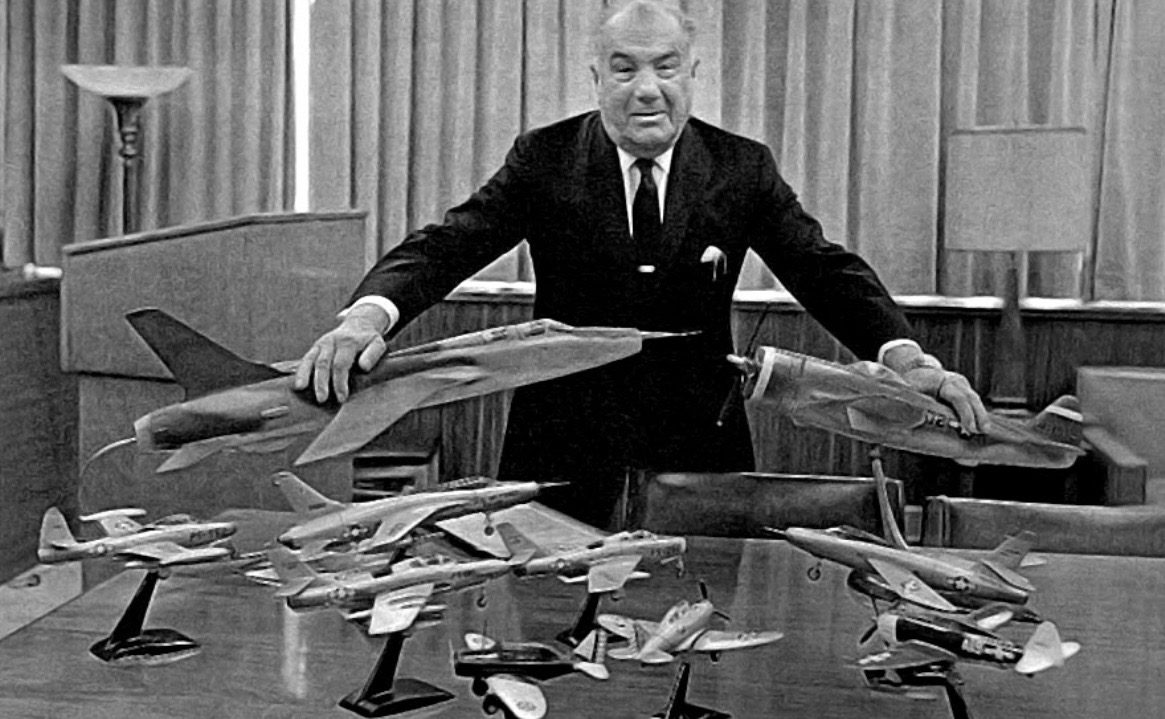
His ideas laid the groundwork for the jet and space eras. And his planes still defend the skies, extending the life of their creator.
Undoubtedly, Alexander Kartveli is one of the most brilliant innovators America has ever known.

