

In 2010, the office space industry was revolutionized with the creation of WeWork by Adam Neumann and Miguel McKelvey in New York. They wanted to transform traditional offices by creating convenient and flexible workspaces for freelancers, startups, and companies. Their idea quickly took off, making WeWork a leader in the coworking space industry. Learn more on new-york-future.
What is WeWork?
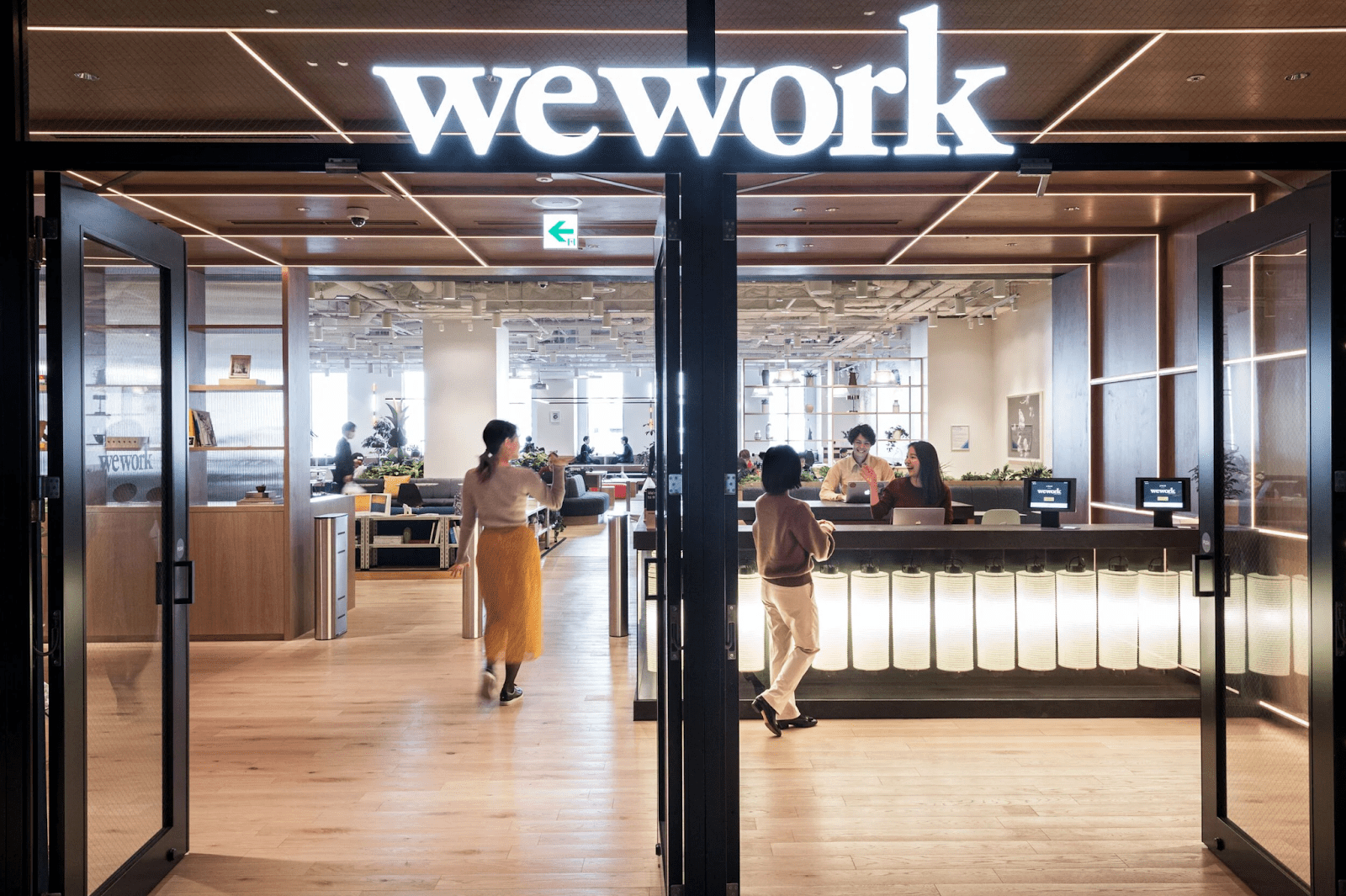
WeWork is an American company that provides flexible office spaces for freelancers, startups, and large corporations. Since its founding, it has offered to rent desks, private offices, and conference rooms in New York and other cities around the world. WeWork builds its offices with a modern style and convenient infrastructure, creating an environment for work and business networking.
The WeWork Office Space and Coworking Experience
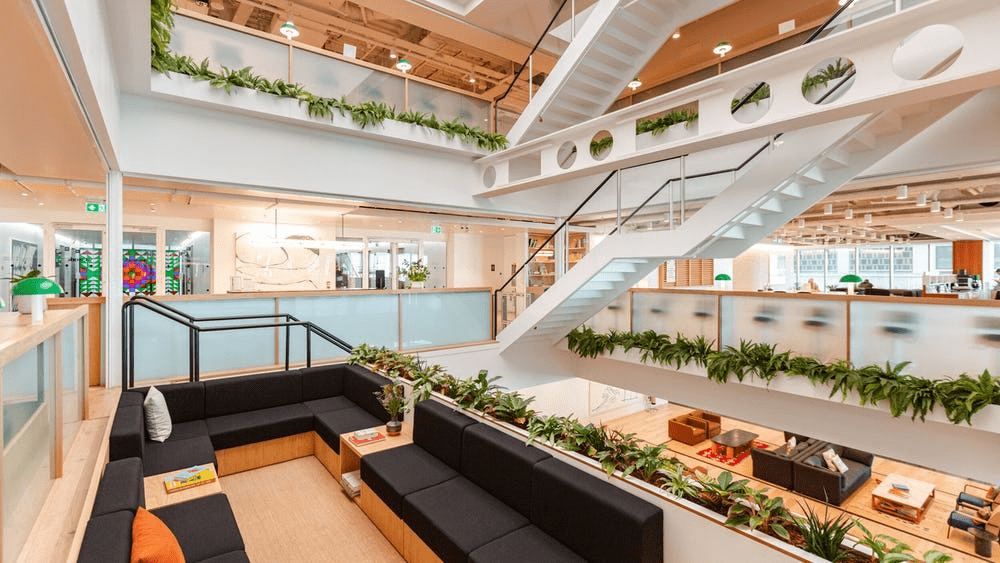
If you haven’t heard of WeWork before, you should know about their unique offices. From the start, the company completely changed the traditional idea of an office by creating flexible and stylish workspaces.
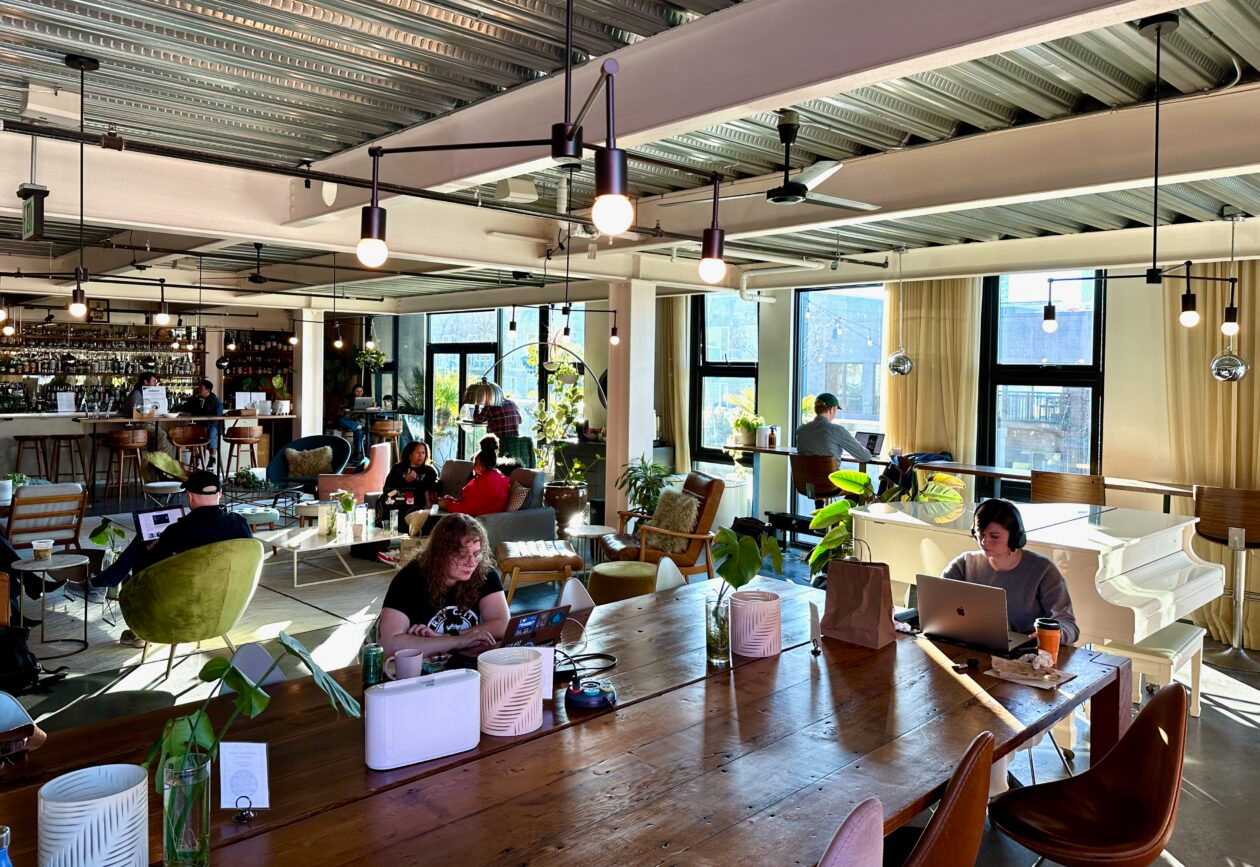
Specifically, WeWork features a modern design with open spaces, large windows, stylish furniture, and carefully planned lighting. All of this creates a comfortable atmosphere for work.
WeWork is also about flexibility. You can rent offices for various lengths of time, from a few days to months, without having to sign long-term contracts.
In addition to workspaces, WeWork has lounge areas, phone booths for private calls, conference rooms, and creative zones for meetings.
WeWork users also have access to free coffee, tea, fast Wi-Fi, printers, and in some locations, even gyms and relaxation areas.
WeWork offices are suitable for both independent entrepreneurs and large companies that value a convenient, stylish, and inspiring workspace.
WeWork History

In 2010, Adam Neumann and Miguel McKelvey sold their previous business and founded WeWork, renting their first location in the SoHo neighborhood of New York. It officially opened in 2011. Soon after, developer Joel Schreiber bought a third of the company for $15 million.
In 2011, PepsiCo placed several employees in this office to help young businesses, which turned the space into a true startup incubator. By 2013, WeWork was already working with 350 startups, including Fitocracy and HackHands. In 2014, WeWork became the fastest-growing commercial real estate tenant in New York City and one of the leaders in office space expansion in the U.S. Its investors included major companies like JP Morgan Chase, Goldman Sachs, and Harvard Corporation, among others.
By early 2015, WeWork was ranked among the 50 most innovative companies by Fast Company. That same year, Artie Minson, who previously served as the CFO of Time Warner Cable, joined the team. He became the company’s president and COO.
Also in 2015, WeWork made its first acquisition, buying CASE, a company specializing in real estate and construction technology. However, as the founder of CASE later noted, the high speed of the deal negatively impacted the company’s corporate culture.
In 2016, WeWork launched a new project called WeLive, which was related to the core business but focused on residential rentals. WeLive spaces opened in New York City and Crystal City, near the Washington, D.C. metropolitan area. A third location was planned to open in Seattle in 2020, but the lease agreement was terminated in October 2019. Consequently, in July 2021, the company completely abandoned this venture.
In 2017, WeWork expanded aggressively. It launched an online services store and opened an elite fitness club in New York City. What’s more, the company entered the Indian market with WeWork Galaxy in Bangalore. The company attracted billions in investments, including from SoftBank, and expanded into China and Southeast Asia.
WeWork also acquired Flatiron School and Meetup, invested in The Wing and Wavegarden, and in 2018, it launched the private school WeGrow, which closed in 2019. That same year, the company bought the Lord & Taylor building on Fifth Avenue.
In 2018, WeWork continued its rapid global office expansion. It also gave 2U students access to its spaces, opened a branch at the University of Maryland, and raised $400 million from the Rhône Group to buy real estate. The company acquired Conductor and the Chinese Naked Hub for $400 million, and also bought MissionU, but shut it down soon after.
Rapid Rise and Expansion
WeWork’s unique office model met the changing needs of New York’s modern workforce in the 2010s, leading to rapid expansion in other major U.S. cities and soon, worldwide. By 2019, the company managed hundreds of offices, serving a diverse clientele. This surge in growth was fueled by significant investments, particularly from SoftBank, whose founder, Masayoshi Son, poured billions into WeWork, pushing its valuation to a staggering $47 billion.
The Failed WeWork IPO and Leadership Crisis
In August 2019, WeWork filed for an Initial Public Offering (IPO), aiming to capitalize on its rapid growth. However, the IPO prospectus revealed several alarming red flags, including substantial financial losses, unconventional corporate governance, and potential conflicts of interest involving CEO Adam Neumann. These revelations led to a sharp reevaluation of the company’s value and viability.
Facing increasing pressure from investors and the board of directors, Neumann stepped down as CEO in September 2019. WeWork subsequently postponed its IPO indefinitely, and its valuation plummeted to $10 billion.
Soon after came financial troubles and bankruptcy. Despite efforts to stabilize, WeWork continued to face financial challenges after 2019. The company’s aggressive expansion strategy left it with high lease obligations, and the shift to remote work, driven by the coronavirus pandemic, further decreased demand for shared office spaces. In November 2023, the company filed for Chapter 11 bankruptcy, marking a significant drop from its once-soaring valuation. WeWork’s stock price plummeted.
On November 6, 2023, the company officially filed for bankruptcy. This failure was described by ABC as a symbol of the “excesses of the startup culture.”
Cultural Impact and Media Coverage
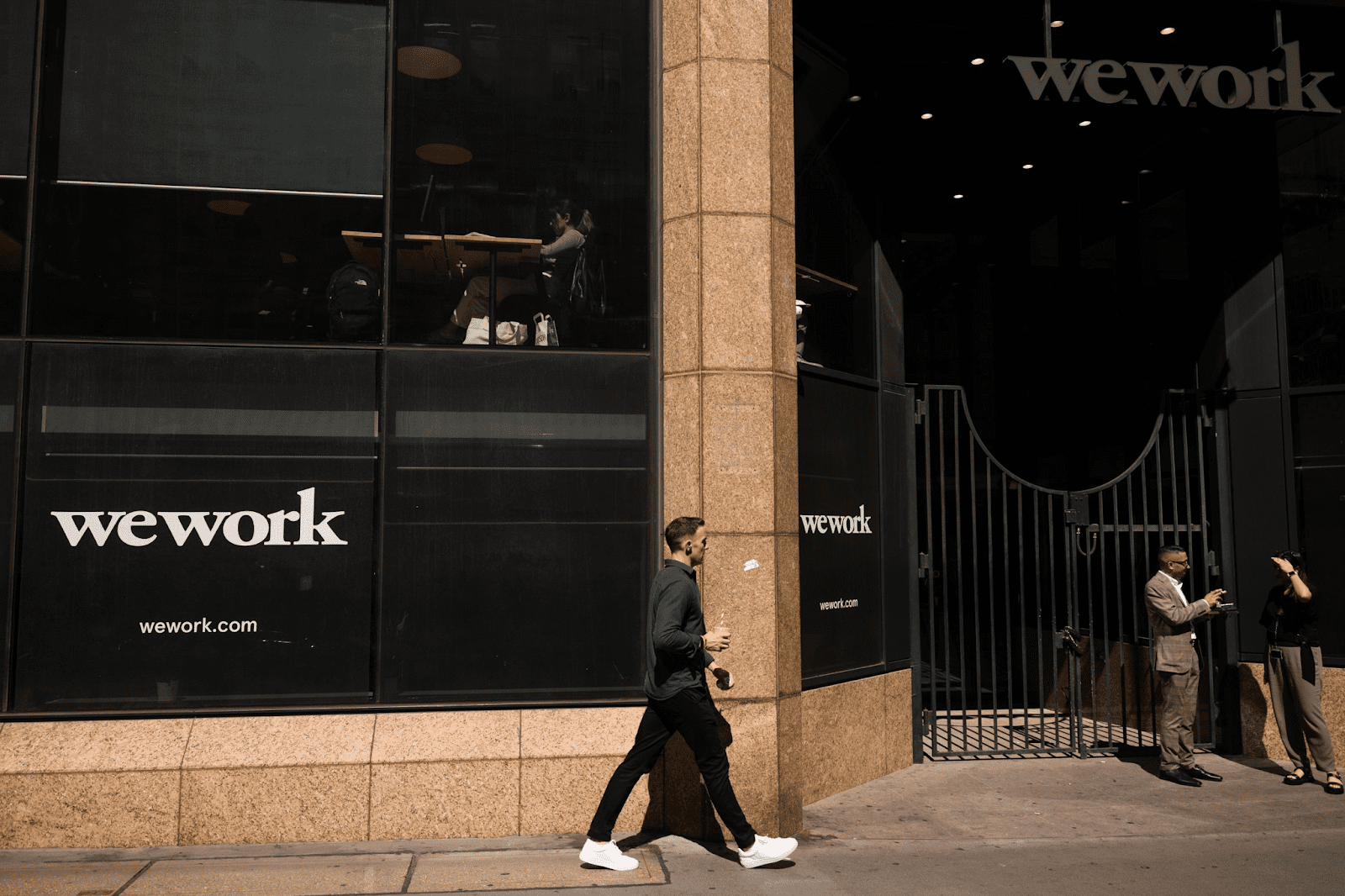
The rapid rise and fall of WeWork became a subject of widespread discussion. The company’s trajectory was captured in various formats, including the documentary film “WeWork” and TV series that explore the dynamics of its corporate culture and ups and downs. After all, WeWork wasn’t just a startup from New York—it was a unique solution for organizing the work process that, unfortunately, failed.
The collapse of WeWork highlights the dangers of unchecked growth and the importance of solid corporate governance. It serves as a cautionary tale for startups and investors, emphasizing the need for sustainable business models and transparent leadership.
WeWork NYC has definitely had a difficult journey—a rapid rise followed by an equally swift fall. Although it’s no longer at its peak popularity, it continues to operate in New York, other U.S. cities, and around the world. In 2024, some offices were closed, including its locations in India.