
Park Avenue it’s a symbol of success, a corridor of power where billions of dollars are concentrated, and an architectural showcase tracking the evolution of American urban planning. In this article on new-york-future.com we’ll trace the history and architecture of Park Avenue—from the era of dangerous steam trains and dark tunnels to the ultra-luxury penthouses of billionaires and the global headquarters of corporate titans.
Smoke, Soot, and Danger
The story of Park Avenue hardly begins with luxury. In the first half of the 19th century, it was known simply as Fourth Avenue. When Manhattan’s grid plan began developing in the 1830s, this area was considered highly undesirable. The reason was simple: it was the exact route of the New York and Harlem Railroad.
Back then, trains ran at street level, creating an absolute nightmare for city residents. First, it was deadly: pedestrians and horse-drawn carriages routinely found themselves crushed beneath the wheels of incoming locomotives. Second, the steam engines belched out massive clouds of black soot and sparks, making life in the adjacent buildings unbearable. The East Side of Manhattan was a bleak industrial zone where no self-respecting member of the elite would ever dream of living.
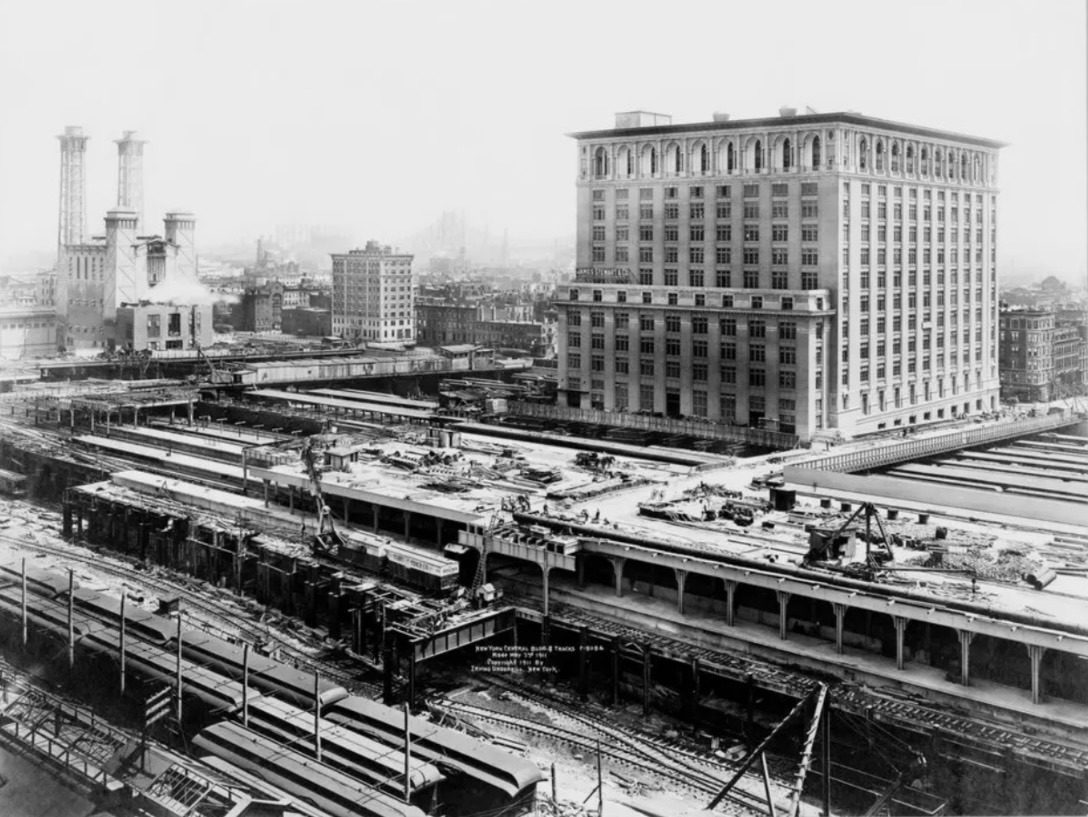
Desperate to improve the situation, the city began partially sinking the tracks in the 1850s. Tunnels were dug beneath the Murray Hill incline, and the ground above them was gradually landscaped. That was when the first small patches of grass and flowerbeds appeared on the surface. In 1860, the local community successfully lobbied to rename a stretch of the street “Park Avenue,” hoping the new moniker would lure investors and rebrand the neighborhood. However, the real transformation was still decades away.
The 1902 Tragedy: A Catalyst for Massive Change
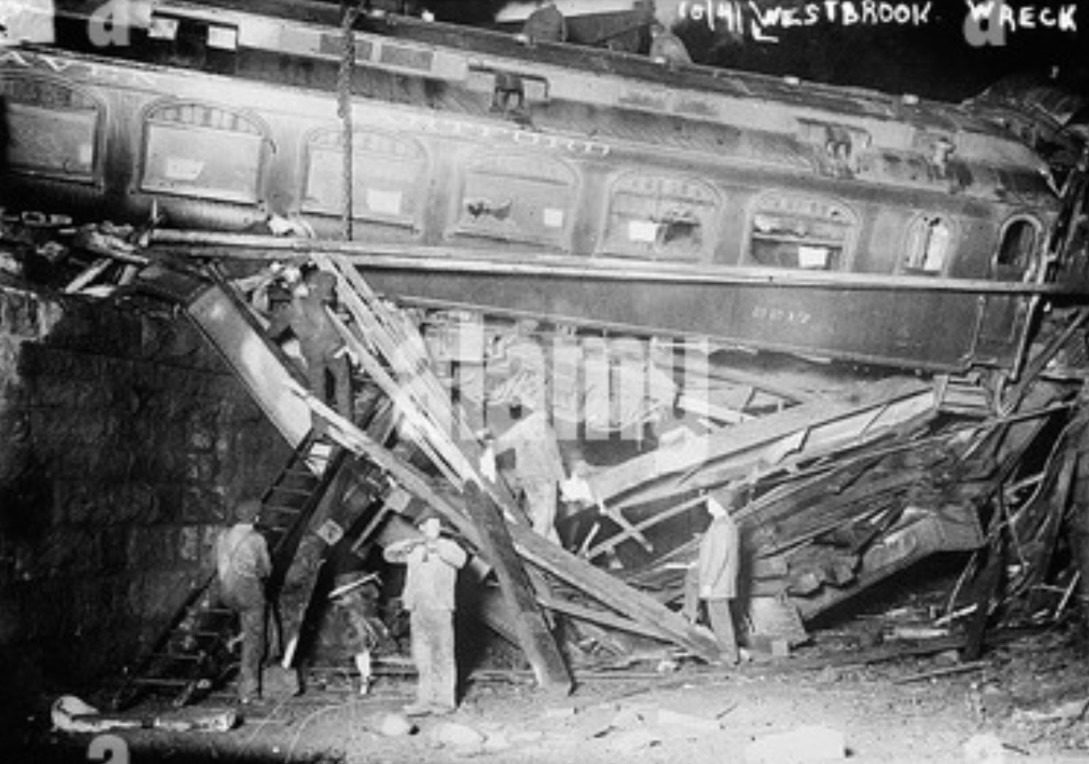
At the turn of the century, Park Avenue was still essentially a rail yard. Trains rumbled through open cuts, choking the air with toxic smoke. The breaking point came in January 1902. Blinded by thick smog in the Park Avenue tunnel, an engineer missed a stop signal, causing a horrific collision between two passenger trains. The crash claimed 17 lives and sparked massive public outrage.
The government’s response was swift and decisive: steam engines were legally banned in Manhattan. This forced railroad tycoons into a corner: they either had to shut down the line entirely or engineer a technological miracle. They chose the latter—total electrification and the construction of a brand-new terminal.
William Wilgus, the railroad’s chief engineer, pitched the genius concept of “air rights.” Since the trains now ran on electricity without smoke, they could be completely buried underground, and the empty space above the tracks could be sold off to real estate developers. This bold move turned a “filthy ditch” into the most expensive real estate in the city. Thus, the concept of “Terminal City” was born—a luxurious commercial and residential hub built around the newly minted Grand Central Terminal.
Park Avenue Today: A Domain of Wealth, Power, and Silence
Once the railroad vanished from sight, Park Avenue evolved at breakneck speed. During the first half of the 20th century, it was lined with grandiose hotels and neoclassical and Art Deco office buildings. But the true architectural breakthrough arrived post-World War II.
One of the most significant landmarks is the Seagram Building (375 Park Ave), designed by Ludwig Mies van der Rohe. This bronze and tinted-glass tower set the gold standard for modern corporate architecture. Equally important is Lever House—the first glass-curtain-wall building on the avenue. We also have to mention the colossal MetLife Building (formerly the Pan Am Building). Erected directly over the train tracks, it was once the largest commercial office building in the world. Few people remember that until 1977, a functional heliport operated on its roof. Wealthy executives could fly from Midtown Manhattan to JFK Airport in minutes. However, after a tragic accident where a broken rotor blade killed people on the roof and a pedestrian on the street below, flights were banned permanently.
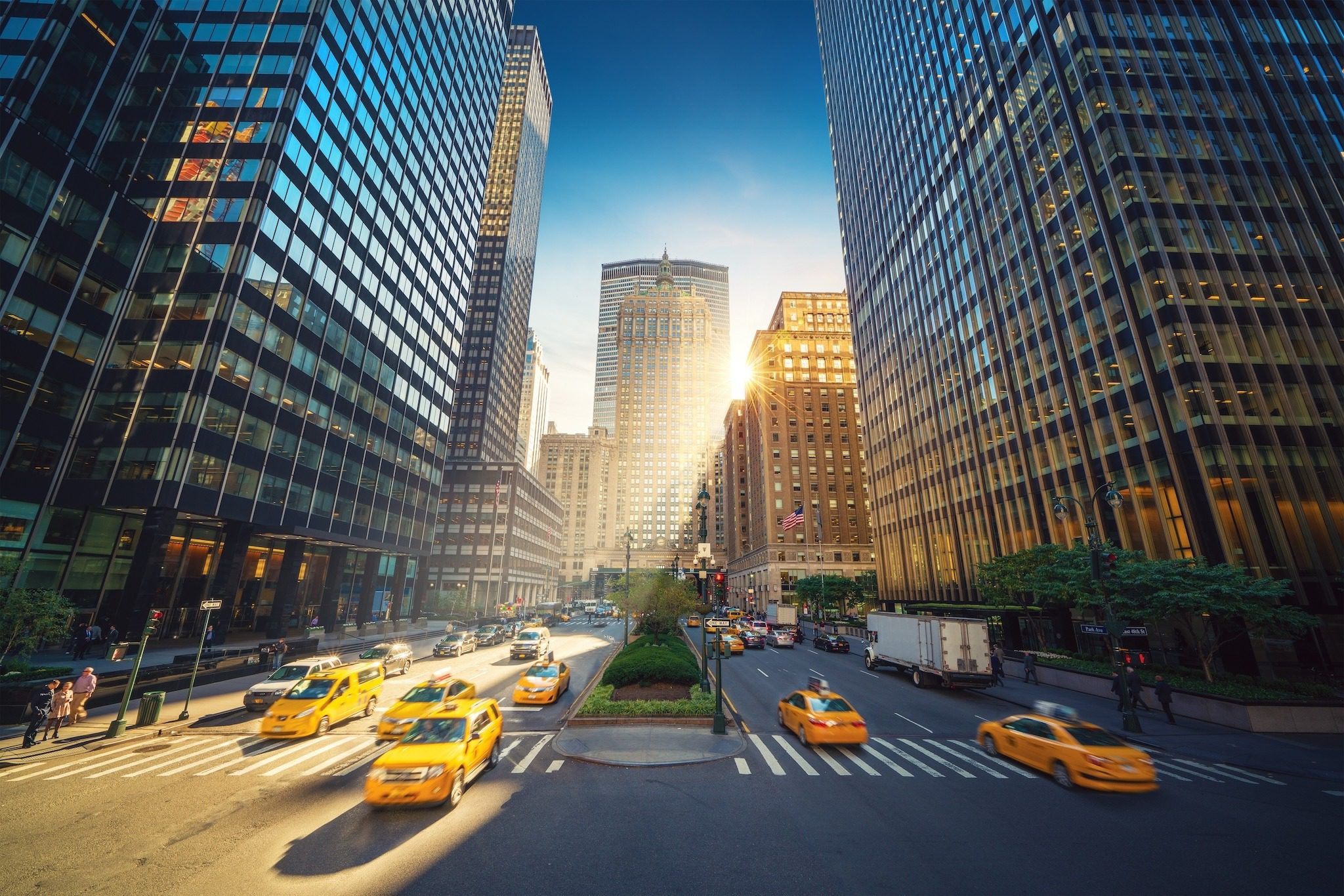
Today, the Midtown stretch of Park Avenue is the epicenter of financial might. It houses the headquarters of giants like JPMorgan Chase, Citigroup, the Blackstone Group, and Colgate-Palmolive. It is a global vortex of capital, and a Park Avenue address remains the ultimate calling card for any corporate business.
But while the southern half belongs to Wall Street titans, the northern stretch winding through the Upper East Side is a highly exclusive club for the world’s wealthiest families. The buildings here are literal fortresses of luxury, boasting private elevators, sprawling libraries, and domestic staff that serve across generations.
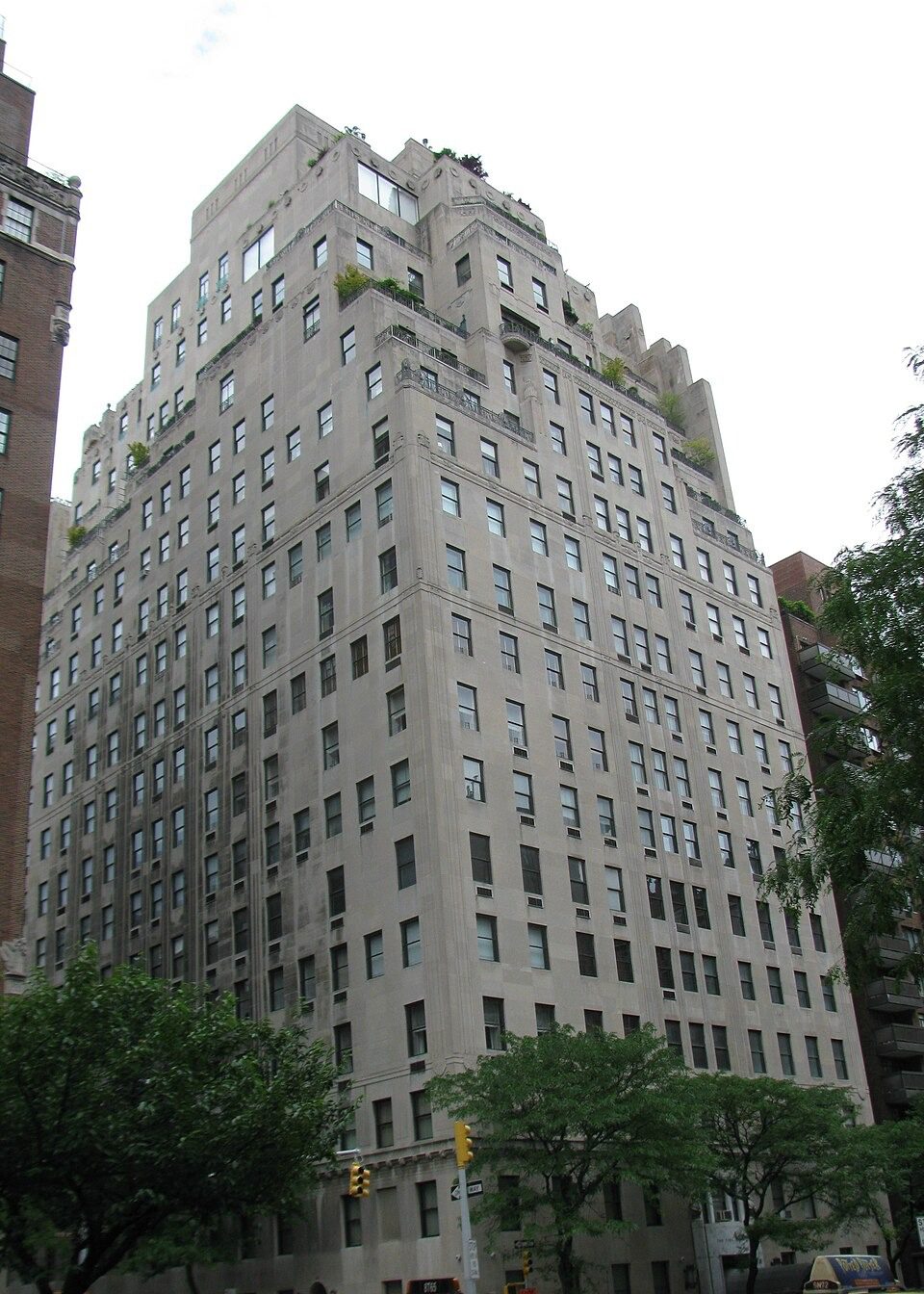
The building at 740 Park Avenue is frequently dubbed “the world’s richest apartment building.” Constructed in 1929, it has housed the Vanderbilts, the Rockefellers, the Kennedys, and today’s hedge-fund royalty. You can’t just buy your way in; the co-op board ruthlessly scrutinizes the biography, financials, and social standing of every prospective neighbor.
Life on the residential side of Park Avenue beats to its own rhythm. You won’t find the chaotic tourist swarms of Times Square here. Instead, your eyes are met with immaculately manicured floral medians. Fun fact: these median plantings are funded entirely by private donations through The Fund for Park Avenue. The summer begonias aren’t chosen by accident—they are the only flowers tough enough to survive the blistering heat radiating from the asphalt and the lack of natural irrigation while still looking utterly flawless.
Cultural DNA and Traditions
Park Avenue is deeply woven into the fabric of American culture. It is referenced in countless movies, from classic dramas to superhero blockbusters. In the iconic animated series The Simpsons, there’s even a gag about getting a “Park Avenue manicure,” reinforcing the avenue’s status as the absolute pinnacle of glamour.
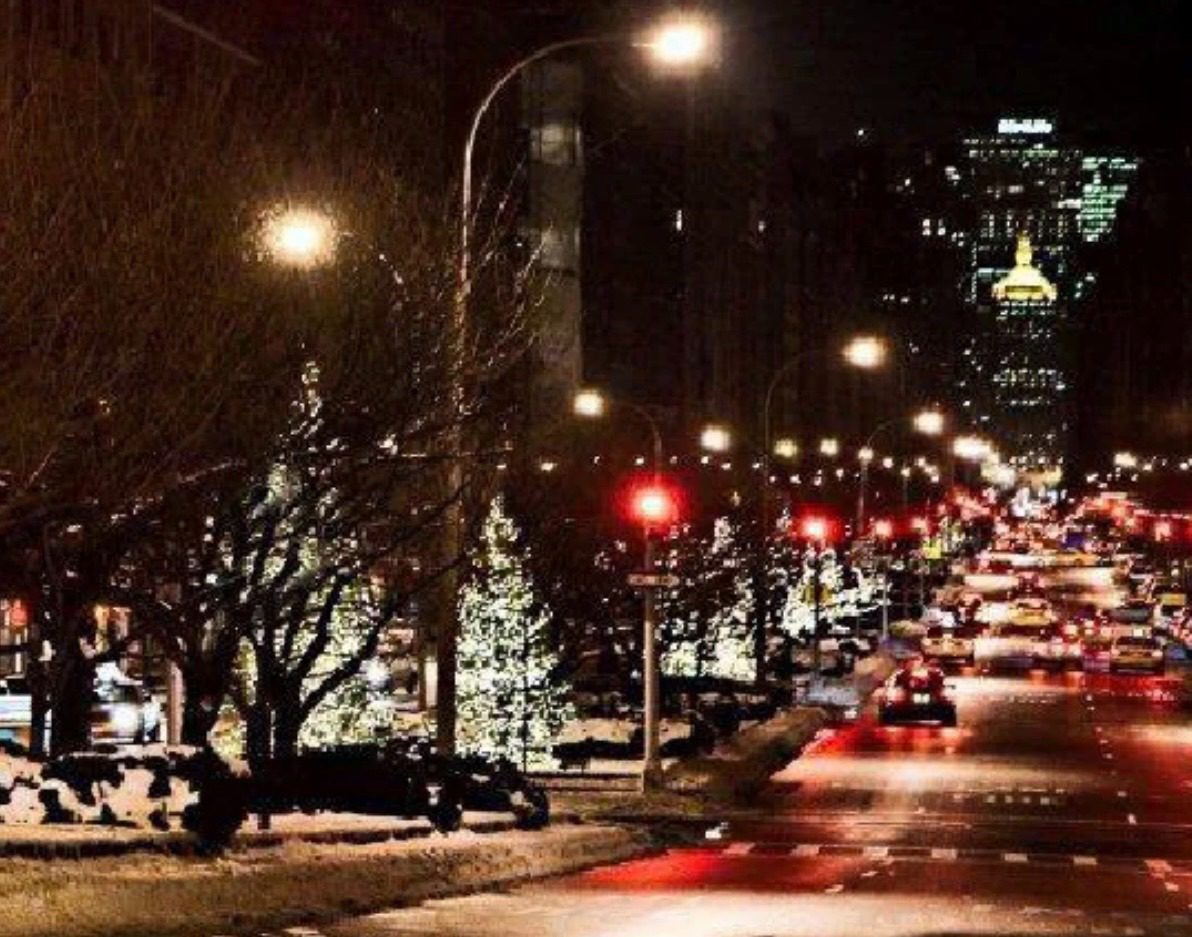
One of the avenue’s most heartwarming traditions is the annual lighting of the Christmas trees along the median malls. This custom began in 1945 when several families decided to honor those who died in World War II by placing lit trees outside their homes. Over the decades, it has blossomed into a massive event that draws thousands of spectators every year, serving as a reminder that even amidst the cold steel and concrete, there is always room for memory and light.
Furthermore, Park Avenue doesn’t stop at Manhattan. Via the Park Avenue Bridge, the Metro-North Railroad crosses into the Bronx, connecting the island to the mainland. It’s a great reminder: despite all the surrounding opulence, the street remains a critical transit artery keeping the city alive.
Architectural Challenges and the Future
New York never stands still, and Park Avenue continues to evolve. In recent years, a crop of “super-slender” skyscrapers has sprouted, such as 432 Park Avenue. Upon completion, this needle-like tower became the tallest residential building in the world, permanently altering the Manhattan skyline. Its minimalist design and dizzying height sparked fierce debate, yet simultaneously cemented the avenue’s reputation as a testing ground for the boldest architectural experiments.
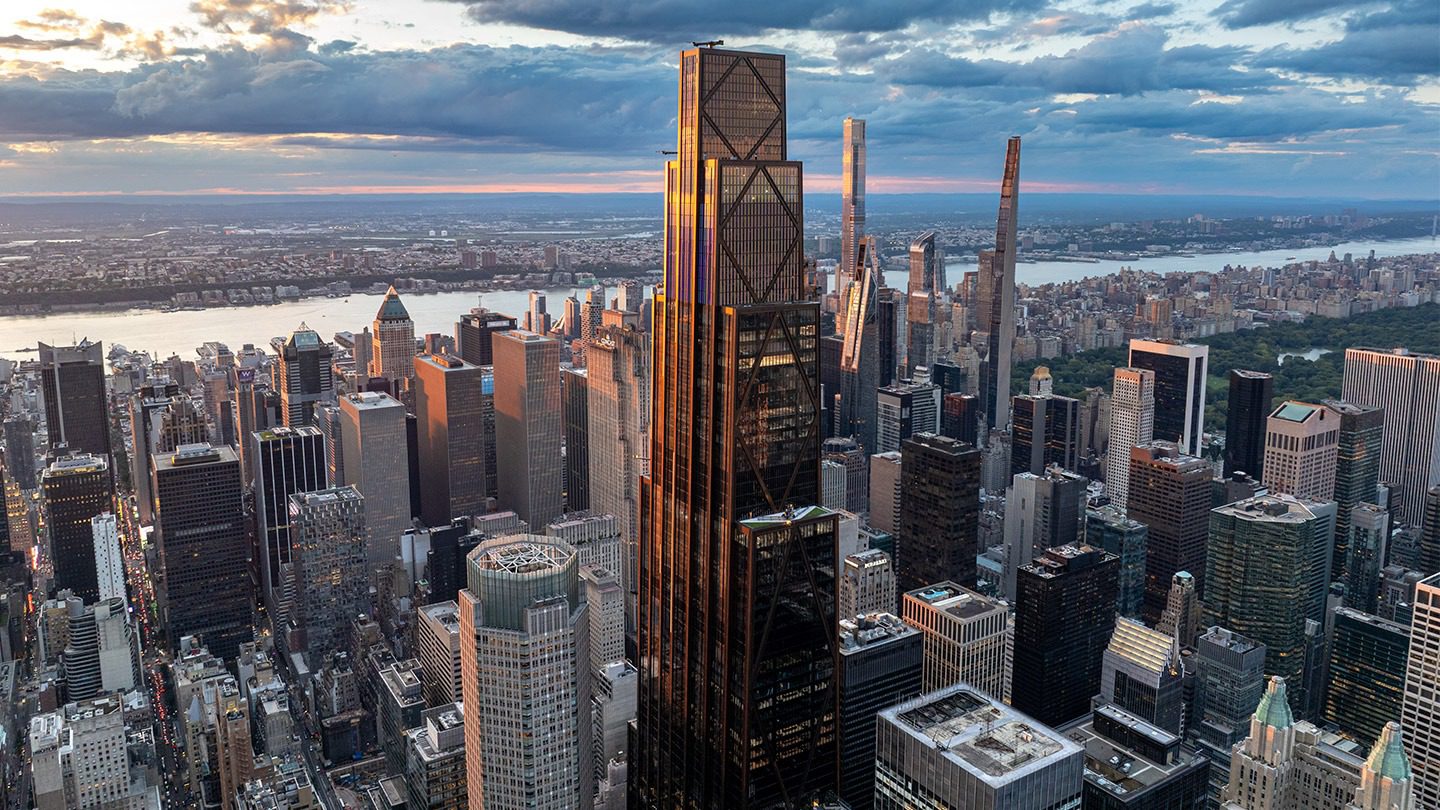
As of early 2026, the massive reconstruction of the JPMorgan Chase headquarters at 270 Park Avenue is still ongoing. The project promises to be one of the most sustainable and technologically advanced buildings on the planet, fully powered by renewable energy.
Park Avenue is a textbook story of how severe constraints breed colossal opportunities. Had it not been for the 1902 ban on steam trains, Manhattan might never have gained this majestic boulevard. The street remains a pipe dream for millions. For some, it’s a prestigious desk inside a glass tower; for others, it’s an unattainable standard of living; and for the metropolis itself, it is an eternal source of inspiration and pride.

