
John F. Kennedy International Airport, or JFK, spans over 5,000 acres, with 90 airlines offering flights to every continent. It’s New York City’s busiest airport and the sixth busiest in the U.S. This major international gateway, located on the southwestern shore of Long Island, boasts a robust infrastructure and global recognition. Let’s delve into its fascinating history on new-york-future.
Building an Icon
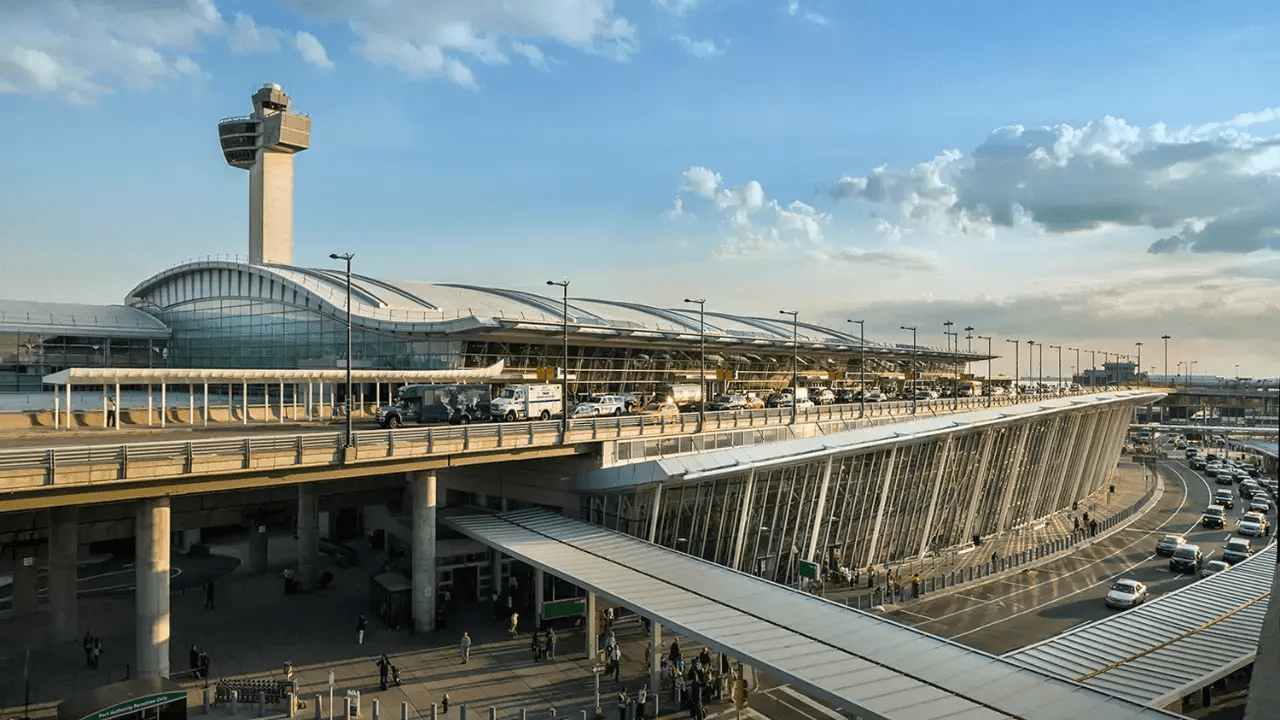
Initially known as New York International Airport or “Idlewild,” JFK officially opened in 1948. It was named after the Idlewild Beach Golf Course, which it replaced. The primary goal of its construction was to alleviate the strain on LaGuardia Field, an airport that had opened a decade earlier and quickly became overwhelmed with passengers.
To ease the congestion at LaGuardia, Mayor Fiorello LaGuardia announced plans for another airfield nearby. Land acquisition concluded in late 1941, with construction kicking off in 1943—remarkably, without a fully approved plan in place. The core vision was to create a massive, efficient airport free from operational chaos.
The state initially allocated about $60 million to develop 1,000 acres of the former golf course. In 1944, an additional 1,350 acres were added. This large-scale construction proceeded rapidly, yielding exceptional results.
During this period, disputes arose over the airport’s name. In 1943, the project was renamed in honor of Major General Alexander E. Anderson, a Queens resident and commander of a U.S. National Guard unit who passed away in 1942. The mayor initially rejected this renaming, but the city council reinstated it. Despite the official changes, locals continued to call the site Idlewild.
Shortly before its 1948 opening, the city council changed the name to New York International Airport, Anderson Field, though Idlewild remained widely used until 1963.
Early Operations and First Flights
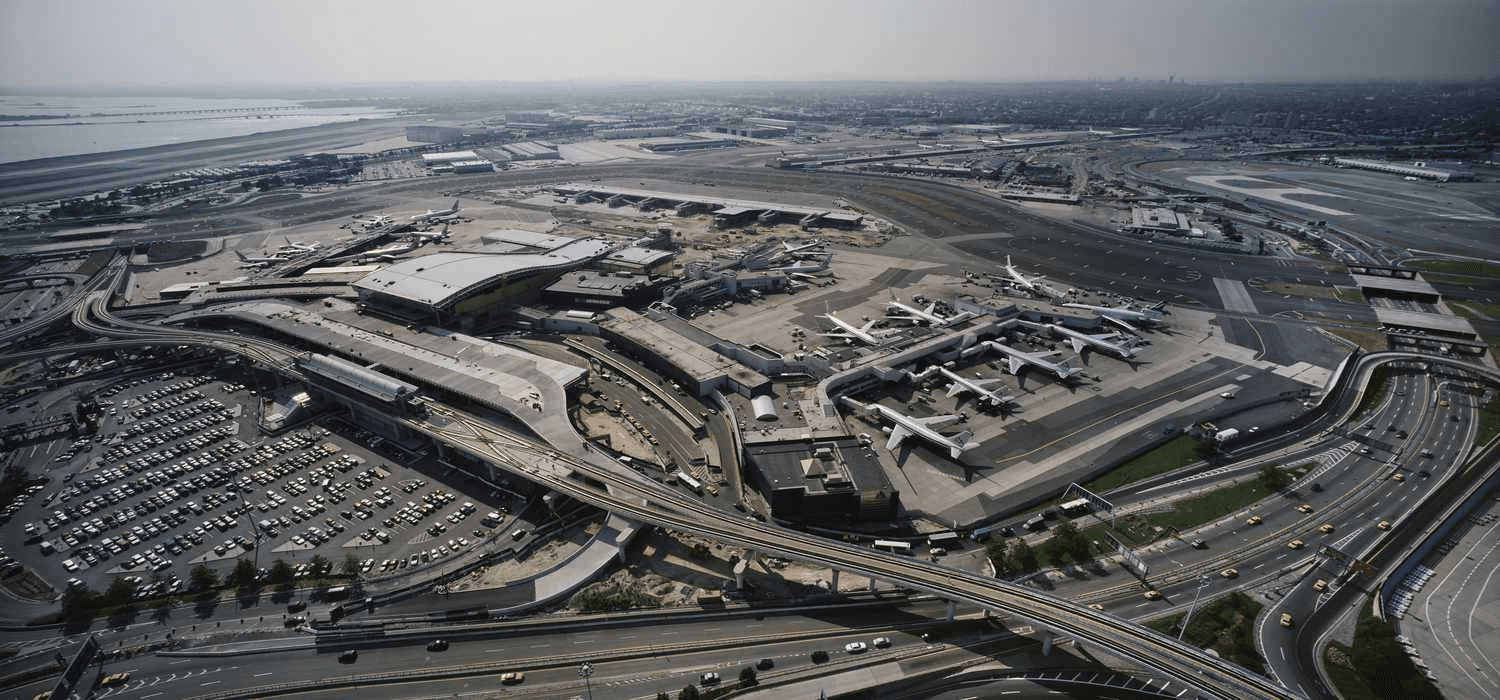
The first flight from the new airport took off on July 1, 1948. The opening ceremony was attended by U.S. President Harry Truman and New York Governor Thomas E. Dewey. Following an administrative decision, foreign airlines were no longer permitted to use LaGuardia and were mandated to relocate to Idlewild over the following years.
Upon its opening, the airport featured a single 79,280-square-foot terminal. A year later, it expanded to 215,501 square feet. At its debut, the airport had six runways, with a seventh under construction. Some of these runways are still in use today. Continuous expansion and upgrades transformed it into the colossal transportation hub we know today.
The first jetliner, carrying mail, landed at Idlewild in 1950. From then on, such aircraft exclusively landed there, as city officials were keen on managing noise levels. Jet landings were prohibited at other airports.
Three years after its opening, the new airport handled an average of 73 aviation operations per day, including takeoffs and landings. A significant portion of Newark Airport’s traffic was redirected here after Newark temporarily closed in 1952 following three tragic aviation accidents. This decision was largely due to Newark’s proximity to densely populated areas, whereas Idlewild and LaGuardia were surrounded by water, making them inherently safer.
New Terminals and Expanding Horizons
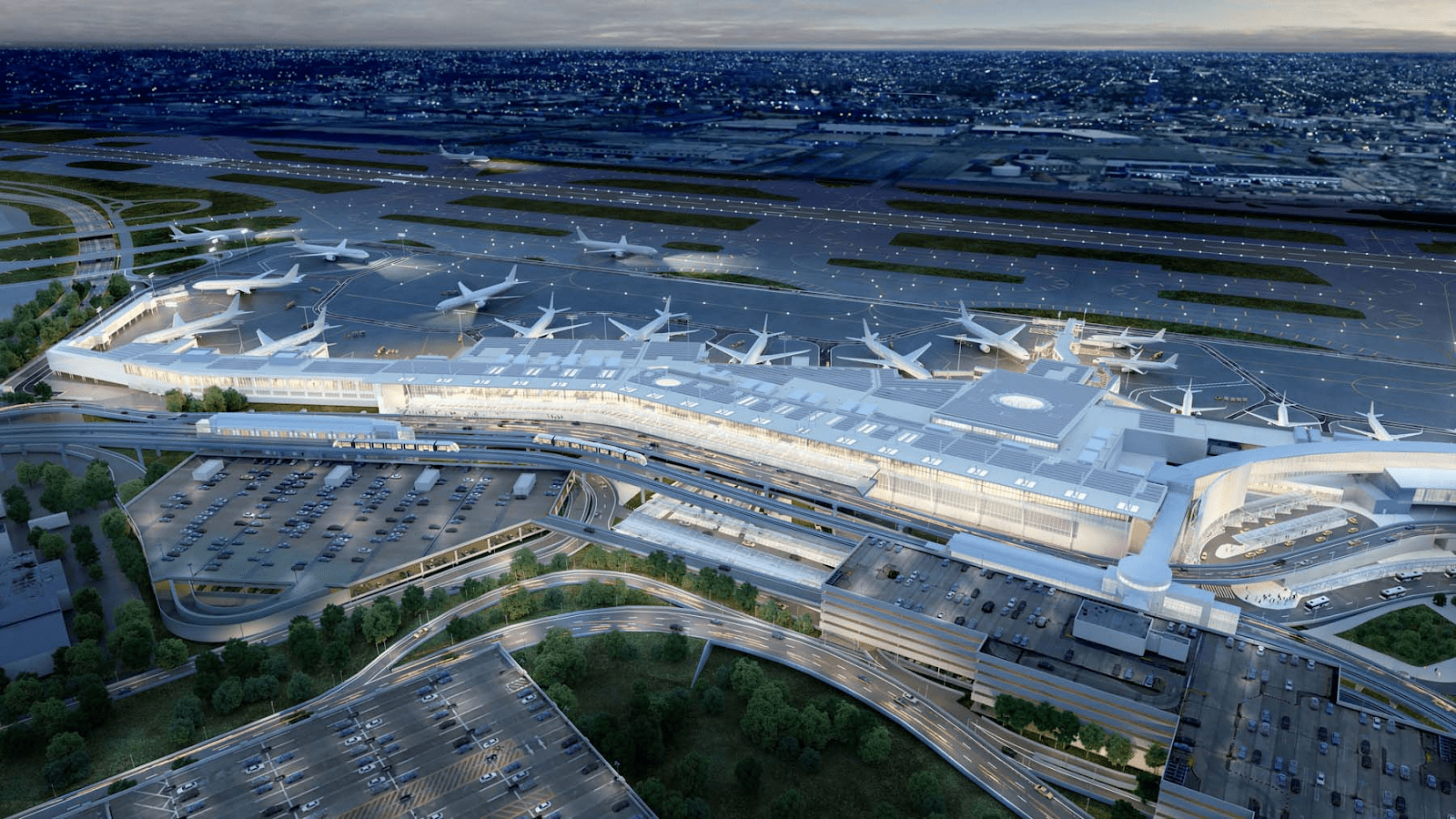
By 1954, Idlewild Airport boasted the largest volume of international air traffic globally. Further expansion was essential, and the administration initially proposed equipping the existing terminal with 55 gates. However, airlines opposed this idea.
Architect Wallace Harrison then devised a plan allowing each major airline to construct its own terminal. This innovative concept was approved in 1955, with seven terminals planned. Five were to be built by individual airlines, one by a consortium of three airlines, and another reserved for international flights. Additionally, an 11-story control tower and other vital infrastructure were planned for the airport’s center. By 1957, the new airport was handling over 1,200 departures weekly, prompting immediate implementation of the plan.
The first new terminal was the International Arrivals Building, which opened in late 1957. Spanning 2,300 feet, its piers were set at right angles to the main building, a design innovation that allowed more planes to park. The building was expanded in 1970, then demolished in 2000 and replaced by Terminal 4.
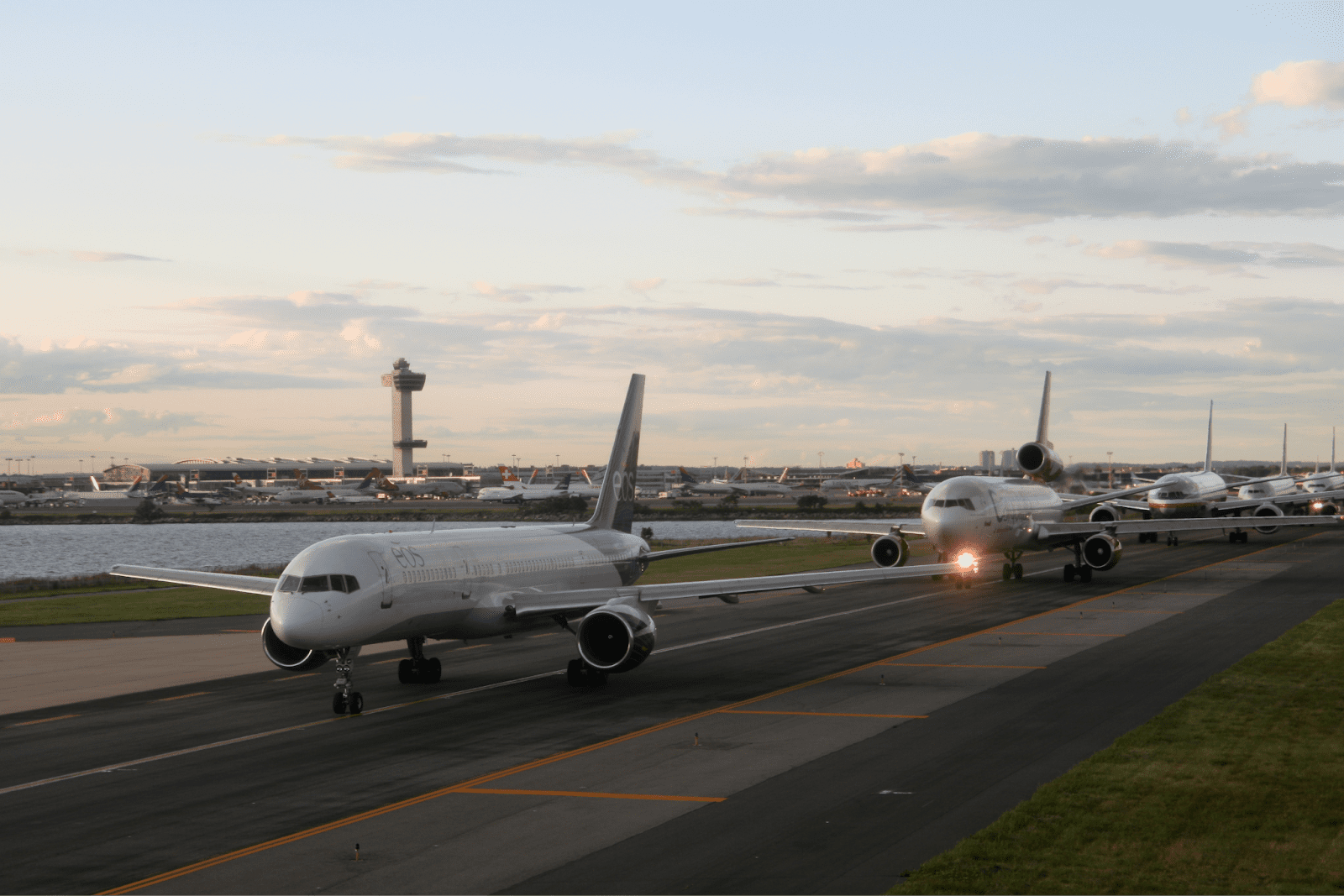
Airlines subsequently constructed the following terminals:
- Terminal 7 was opened in 1959 by United Airlines and Delta Air Lines and operated until 2008.
- That same year, Eastern Air Lines opened Terminal 1, which was demolished in 1995 and replaced by the modern Terminal 1.
- In 1960, American Airlines opened Terminal 8, featuring a large stained-glass facade. It was demolished in 2007 during renovation.
- Pan American World Airways also opened Terminal 3 in 1960, notable for pioneering jet bridges that allowed passengers to board directly from the building. It operated until 2013.
- In 1962, Trans World Airlines opened a terminal that operated until 2001, later replaced by Terminal 5.
- A joint terminal was opened in 1962 by Northwest Orient, Braniff International Airways, and Northeast Airlines. It was demolished in 2003 to expand Terminal 1.
- In 1969, National Airlines opened Terminal 6, which operated until 2011.
Overall, the plan proved successful, as each airline strived to outdo its competitors during construction. This fostered the airport’s development and enhanced passenger experiences.
Continued Evolution
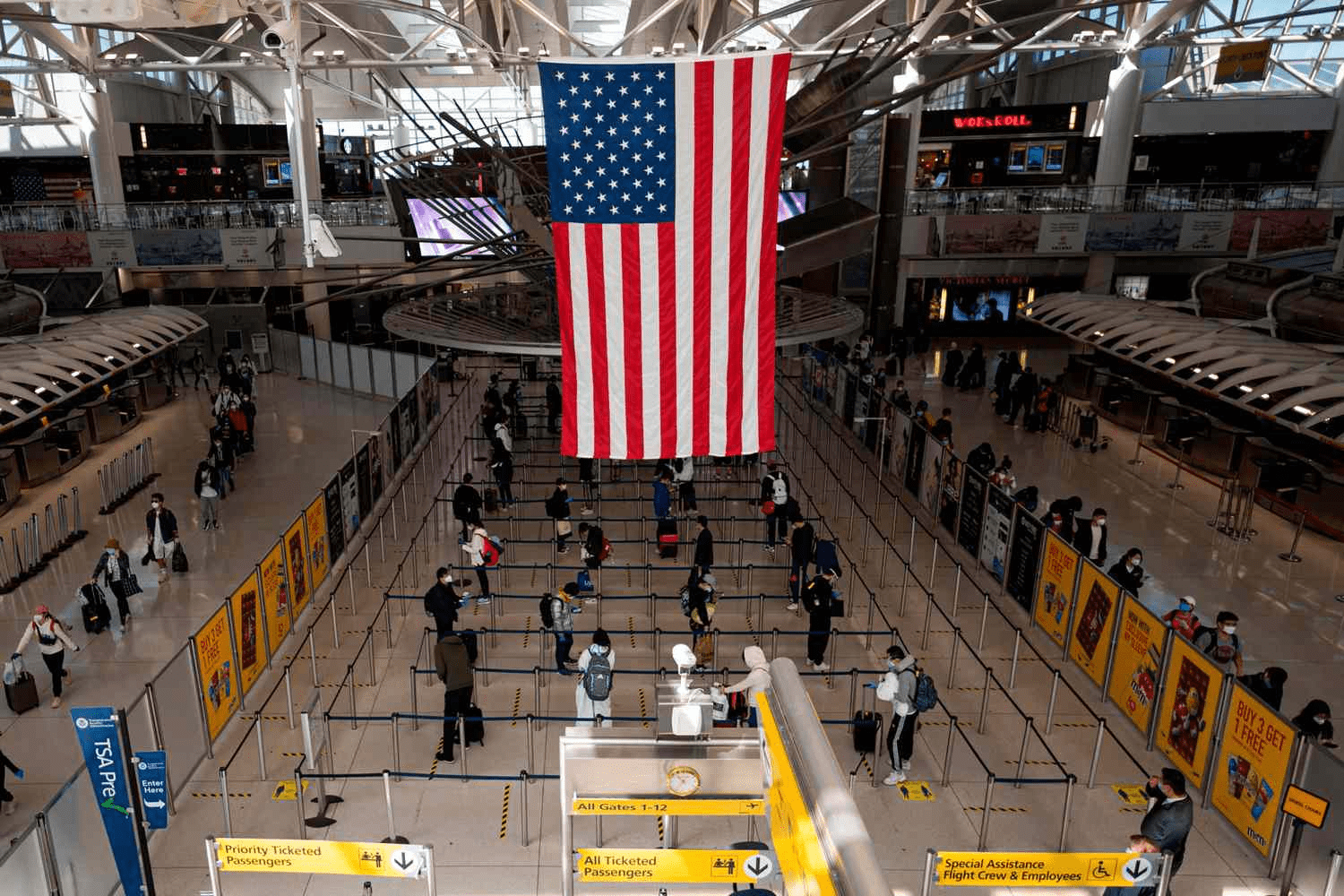
The airport was officially renamed John F. Kennedy International Airport on December 24, 1963, following the president’s assassination. Mayor Robert F. Wagner Jr. initiated the renaming.
At that time, JFK was New York City’s busiest airport. From 1962 to 1967, it handled more takeoffs and landings than LaGuardia and Newark combined. In 1967 alone, the number of aviation operations exceeded 400,000.
In 1998, construction began on the AirTrain JFK passenger transport system. Direct rail service to the airport commenced on December 17, 2003. This network connects every airport terminal to the New York City subway and the Long Island Rail Road, making it convenient to reach the airport from anywhere in the city.
Terminal renovations have continued. The updated Terminal 1 opened in 1998, and Terminal 4 began operations in 2001. Parts of the older terminals were demolished to make way for newer facilities.
In 2007, JFK became the first U.S. airport to welcome an Airbus A380 passenger flight. Today, this transport hub collaborates with numerous international airlines, providing connections to every corner of the globe. Moreover, it offers all necessary amenities for passengers, including hotels.

