
For nearly a century, this organization has helped thousands of people take their first steps into exploring space. Its members host public events across New York City. The AAA NYC doesn’t just observe the sky—it cultivates a community where science and a passion for the cosmos become accessible to everyone. Read on new-york-future.com for more about New York’s amateur astronomers.
Stars Over NYC: A Century of Astronomical Discovery
In the heart of New York City, where skyscrapers often dominate the view, a community has existed for almost a century that teaches residents to look up—to the stars. The Amateur Astronomers Association of New York (AAA NYC) was founded in 1927 by Clyde Fisher and a group of dedicated enthusiasts who wanted to share their passion for space with the public. What began as a small amateur club quickly grew into an influential East Coast organization, known for its educational and outreach efforts.
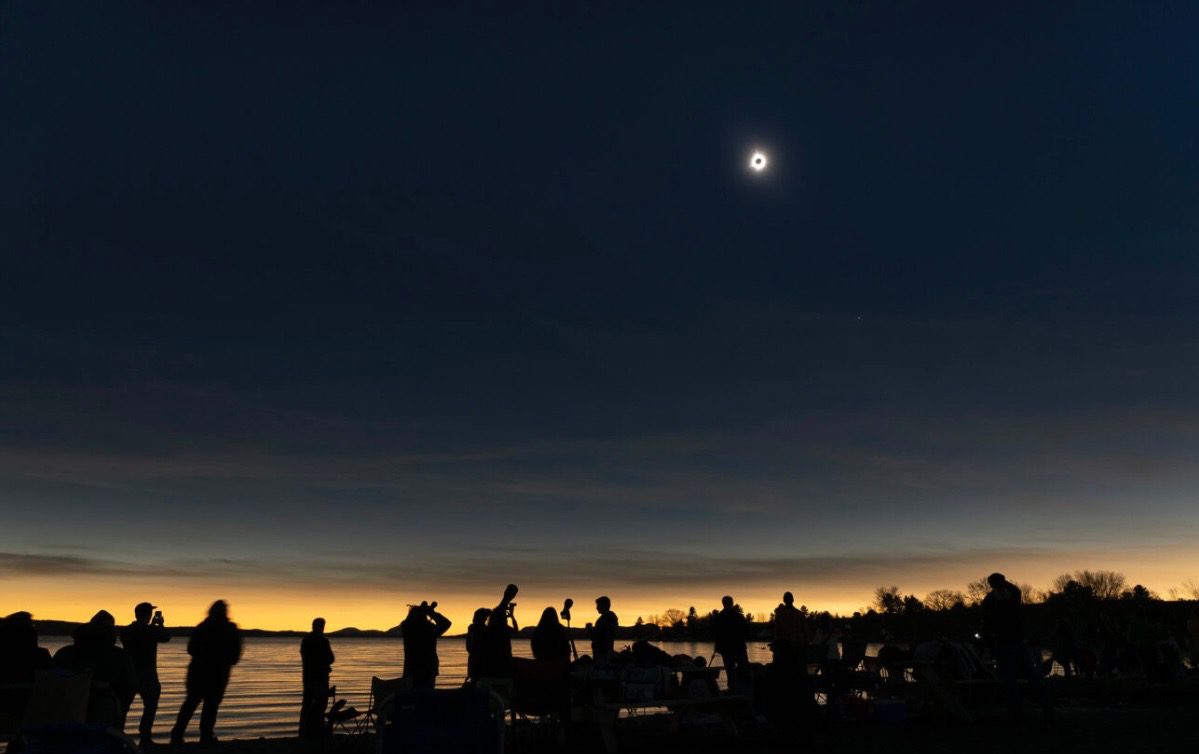
The organization has always aimed not only for stargazing but also for education. Through lectures, public demonstrations, astrophotography, and interactive programs, AAA NYC opens up the cosmos to everyone—from interested children and beginners to seasoned astronomers. Every member of the community can participate in research projects, attend night observation sessions in parks and on urban rooftops, and engage with the history and modern technology of astronomy.
AAA NYC boasts over 1,000 active members and continues its mission: to inspire new generations of star and planet explorers, popularize astronomy, and show that even within a metropolis, you can find your way to space.
AAA NYC Activities
AAA NYC organizes:
- Educational programs and lectures where children and adults can learn about planets, stars, and modern space discoveries. Lectures are often given by scientists from NASA, universities, and other research centers.
- Public stargazing sessions held in Central Park, on the High Line, in Brooklyn Bridge Park, Riverside Park, and on Staten Island. Here, anyone can test their own telescope or use the club’s equipment, while experienced astronomers help locate planets, star clusters, and nebulae.
- Astrophotography workshops where participants learn to photograph the Moon, planets, and deep-sky objects, even in urban settings with significant light pollution.
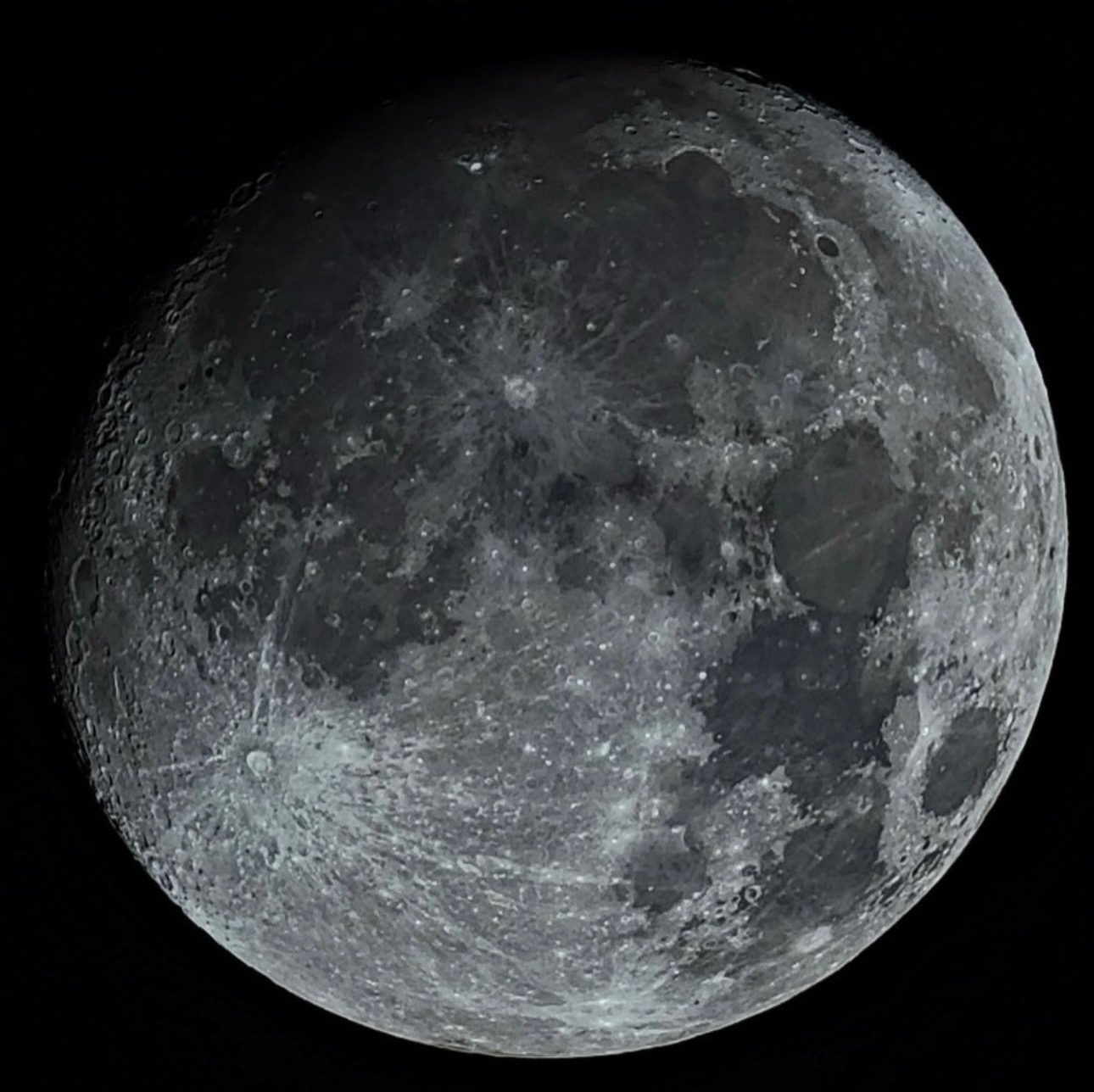
- Educational projects for schools, families, and teenagers, helping to take the first steps in astronomy and inspiring youth toward scientific research.
AAA NYC also hosts special events, such as solar eclipse viewings, trips to dark-sky sites, and meetings with professional astronomers. This is a unique opportunity to see the Universe from New York and join a community of people fascinated by space.
Thanks to the organization, thousands of New Yorkers have taken their first steps in studying the cosmos—and the sky has become closer to them than ever before.
AAA NYC Projects and Events
AAA NYC hosts monthly open and free observation events where anyone can experience the beauty of the night sky. The following projects are planned through the end of 2025:
- Observation at Great Kills Park. On November 22nd, from 7:30 PM to 11:00 PM, AAA NYC invites all interested individuals to an evening viewing with telescopes at Great Kills Park on Staten Island.
- Observation at Floyd Bennett Field. On December 4th, from 5:00 PM to 11:00 PM, the organization will host its monthly observation session at the historic Floyd Bennett Field in Brooklyn, part of the Gateway National Recreation Area.
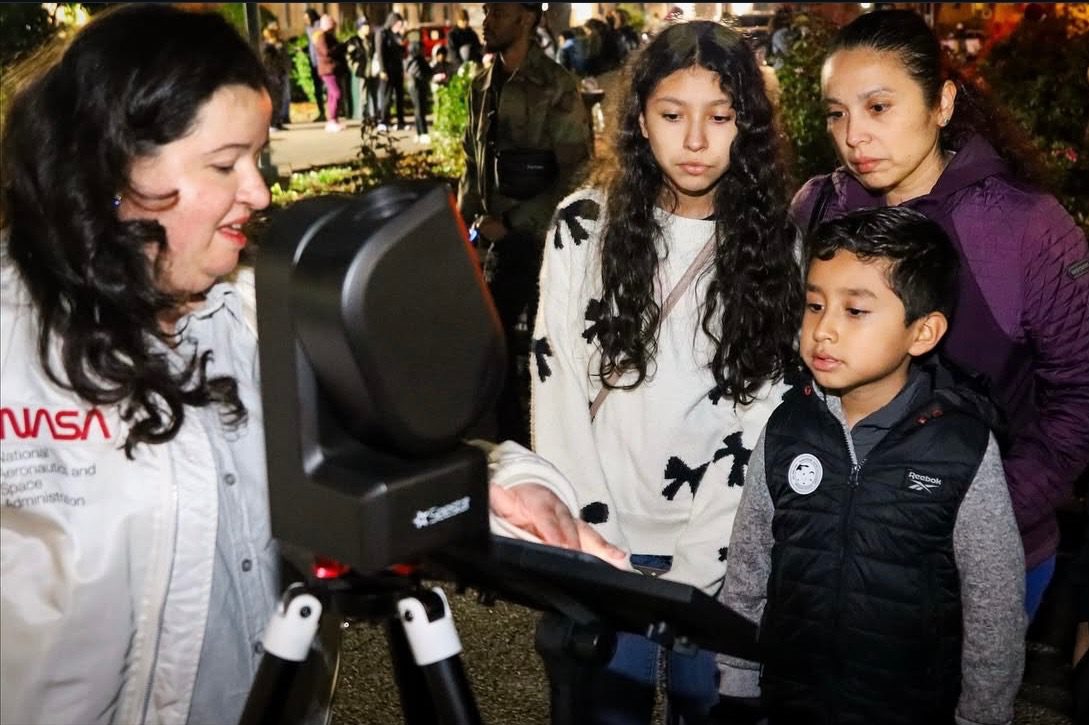
- Solar Viewing at Pioneer Works. On December 14th, from 1:00 PM to 4:00 PM, AAA NYC, in partnership with Pioneer Works, invites the public for solar viewing, where they can safely look at the Sun through specialized telescopes and learn more about this cosmic object.
All events are subject to clear weather and may be canceled or postponed in the event of heavy cloud cover or precipitation.
These events are a great chance to touch the cosmos: to view planets, stars, and the Moon, learn astronomy secrets from experienced astronomers, and even take the first steps in astrophotography.
Educational Classes
At AAA NYC, you can not only gaze at the stars but also learn to understand them. The organization offers courses for every interest: six-week marathons for those who want to dive deep into all the details of astronomy, four-week intensives for those who want to quickly grasp the fundamentals, and single-session lectures for those who want to try something new without a long commitment.
Classes are held online via Zoom, but the course atmosphere is just as vibrant as during night park observations. Club members can review class recordings if they miss a lecture and work with materials at their own pace. Beginners have access to two free introductory astronomy courses to make their first steps into the world of stars easy and engaging.
Among the interesting programs is “Physics in Astronomy,” where, under the guidance of David Kiefer, participants explore Kepler’s and Newton’s laws, gravity, planetary orbits, light, and star spectra. Each lesson is filled with lively examples and mathematical calculations, helping students grasp how physics and space intertwine.
No less exciting are the opportunities for avid readers. The “Book Review” course with Gregory MacNiff covers the latest releases in astronomy and cosmology, including those on black holes and the mysteries of the Universe.
For those looking to expand their horizons after the basic course, AAA offers “Astronomy 102: Stars, Galaxies, Cosmos,” where instructor Irene Pease guides students through the world of stars, galaxies, and cosmic processes. And those who dream of the Moon can join a lecture on Artemis II, which details NASA’s plans to return astronauts to Earth’s satellite.
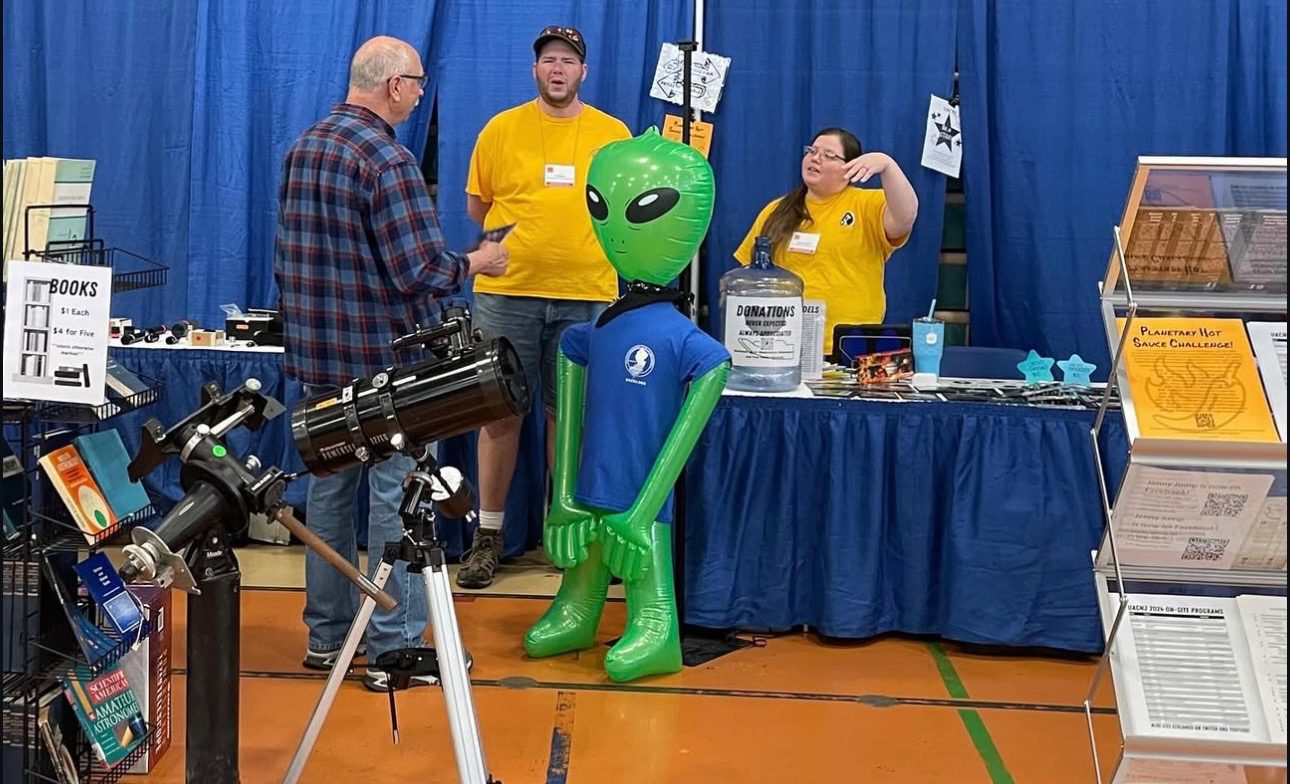
At AAA NYC, learning is not limited to theory. It’s a community where you can exchange knowledge, observe the stars, discuss discoveries, and feel like a true space explorer, even without leaving the city. Here, the stars become closer, and the Universe becomes clearer.
The Dream of a Public Observatory
There was a plan to create the first free public observatory in the Bronx, which would serve as a window to the Universe for local residents and schools. The observatory was intended to be located in Jerome Park and become a community hub for stargazing.
The idea first arose in 2019 when Nassau Community College decided to divest itself of its observatory after a campus renovation. Bart Fried, the then-president of the Amateur Astronomers Association (AAA), agreed to take the instrument and proposed to the City’s Parks Department to install it in Jerome Park. The structure was planned to be small—nine and a half feet high and six and a half feet wide, enough for two or three people.
For several years, AAA negotiated with the city, planning public programs, including winter sessions and educational projects for schools like the Bronx High School of Science and Lehman College. The plan involved using solar panels and achieving a net-zero carbon footprint.
However, the plans fell through due to liability issues. The city required AAA to assume full legal responsibility for any accidents on the observatory site.
“It means if somebody trips or falls, even if they’re just riding their bike past, we would be liable,” explained Alfredo Viegas, the subsequent AAA president.
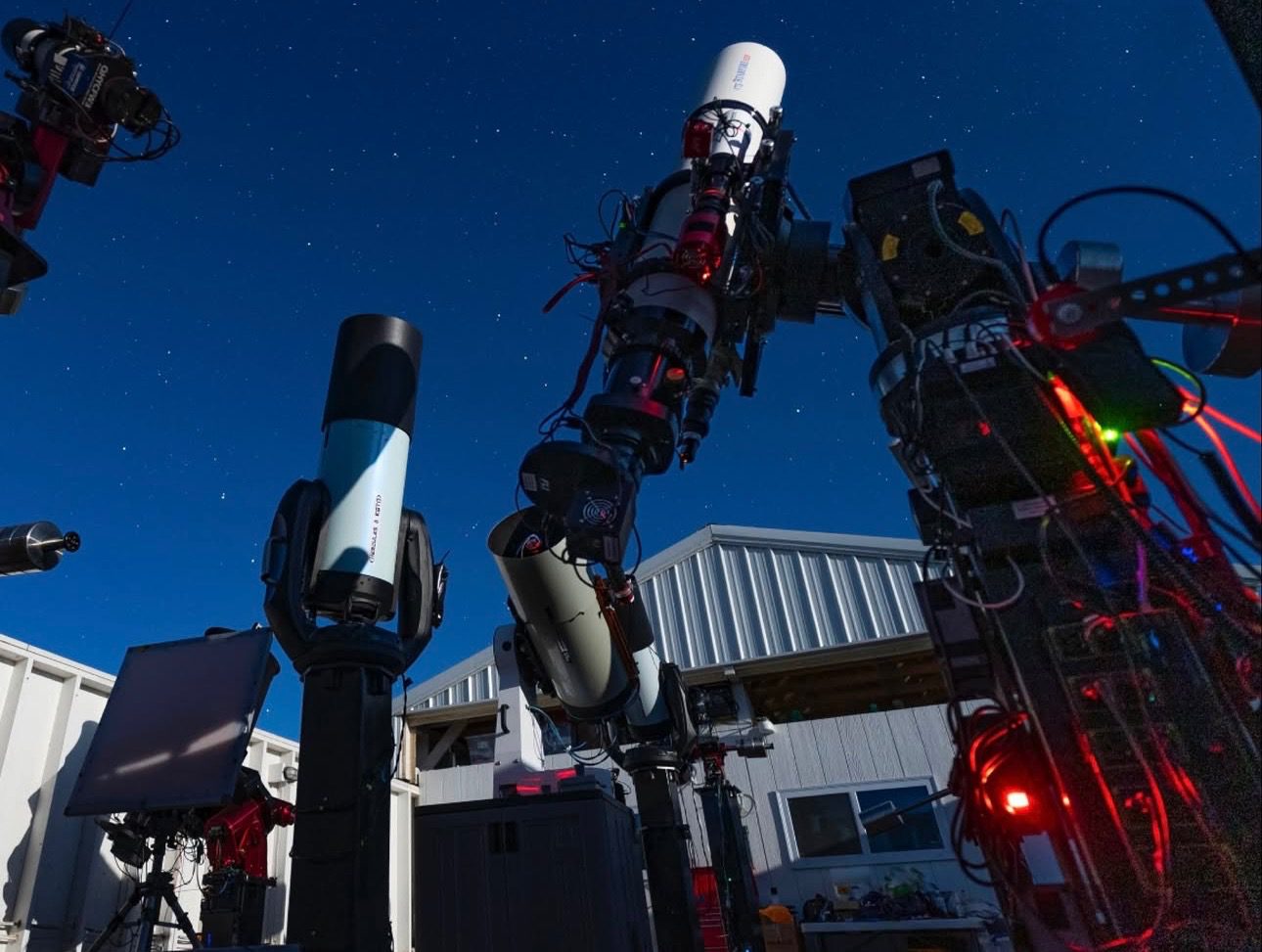
For a small non-profit organization, this was an insurmountable burden. Ultimately, the project had to be postponed. The disappointment was felt not only by association members. Matthew O’Dowd of Lehman College emphasized that access to a public observatory would have been a unique opportunity for students:
“We’ve always looked up at the stars with curiosity. Access to a telescope in a public space opens up possibilities for many and inspires scientific research.”
Nevertheless, AAA hasn’t given up. Viegas hinted that the organization is already working on “Plan B”—a new observatory on private land that will offer the same community experience as the proposed Jerome Park facility. The Association will celebrate its 100th anniversary in 2027, and Viegas hopes the new observatory will be a celebratory gift to the community.
Despite the temporary setback, AAA continues its mission: to spread knowledge about astronomy, host free sun and night sky observation programs, and organize lectures and educational events, inspiring both children and adults to look up and contemplate the cosmos.
“We strive to make astronomy accessible and interesting to everyone,” Viegas concluded.
And while the Jerome Park observatory never materialized, the dream of a public telescope in New York lives on.

