

New York’s cemeteries have one thing in common that has attracted tourists and locals for years: they look more like serene parks than graveyards, with beautiful architecture, lush landscapes, and rich history. In places like these, you don’t feel the presence of death—instead, visitors are enveloped in a quiet melancholy, peace, and harmony. The famous Woodlawn Cemetery has become the final resting place for over 300,000 souls. Some were talented individuals who changed the world, while others are only remembered by their loved ones. Woodlawn is one of the city’s largest cemeteries, spanning 400 acres and featuring 1,300 mausoleums in various architectural styles. It is also the burial site for some of the victims of the tragic Titanic disaster. Read more at new-york-future.
A Look Back: The History of Woodlawn
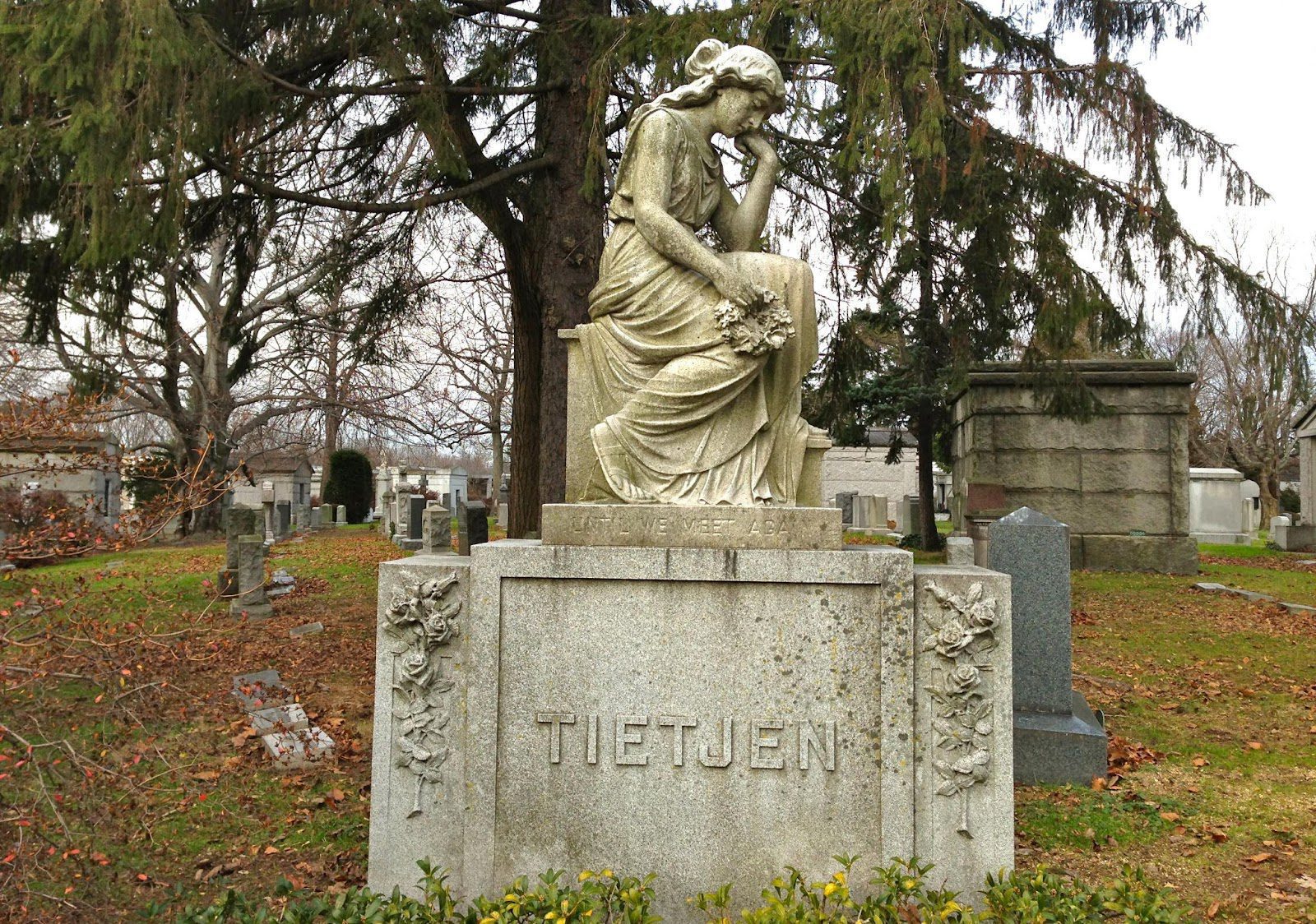
Woodlawn Cemetery opened in 1868 in Westchester County, which later became a part of New York City. The site is located on a hill, making it visible even from a distance. The cemetery’s layout is perfect for visitors arriving by car, with special roads for vehicles and pedestrians. Woodlawn is too large to explore in just a few hours, so visitors can easily drive to specific burial sites. It feels more like a park than a cemetery; only the graves and monuments give it a somber atmosphere. There are plenty of green spaces, benches, and beautiful memorials, and it’s almost always peaceful. While tourists do visit, the cemetery’s massive size ensures there are always plenty of quiet spots where you can be alone with your thoughts.
The cemetery is home to a wide range of burials, from simple brewers to U.S. presidents. Interestingly, the gravestones of ordinary New Yorkers are often more elaborate than the graves of the city’s or country’s most prominent figures.
Famous Burials and Architectural Elements at Woodlawn
Woodlawn is the final resting place for many of the city’s wealthiest residents who amassed huge fortunes and improved the lives of their fellow citizens. One such person is the German-American Julius Bache (1861-1944), a banker, philanthropist, and art collector. Before his death, he donated his entire fortune of $5 million and his extensive collection to the Metropolitan Museum of Art in New York. You can often see German surnames on graves throughout Woodlawn, as many Germans emigrated to New York in the late 19th century.
Another prominent figure buried at Woodlawn is Julius Manger (1868-1937), a businessman and head of a company that built more than 800 buildings and 18 prestigious hotels in New York.
There is a long list of other talented New Yorkers whose souls rest at Woodlawn, including several city mayors, philanthropists, artists, and musicians. Some of them lost their lives to the Spanish flu epidemic that swept through the city in 1918. Celebrities also share Woodlawn with criminals, such as Ruth Brown Snyder, the first woman executed in the electric chair for murdering her husband.
All the tombs and mausoleums at Woodlawn have their own unique style. The tomb of Isidor and Ida Straus, who died in the sinking of the legendary Titanic, is done in the Art Nouveau style. The cemetery also features an entire memorial dedicated to the victims of the “unsinkable” liner’s disaster. You can get to Woodlawn Cemetery by public transportation. Take the No. 4 subway line on Lexington Avenue to the last stop, “Woodlawn.”