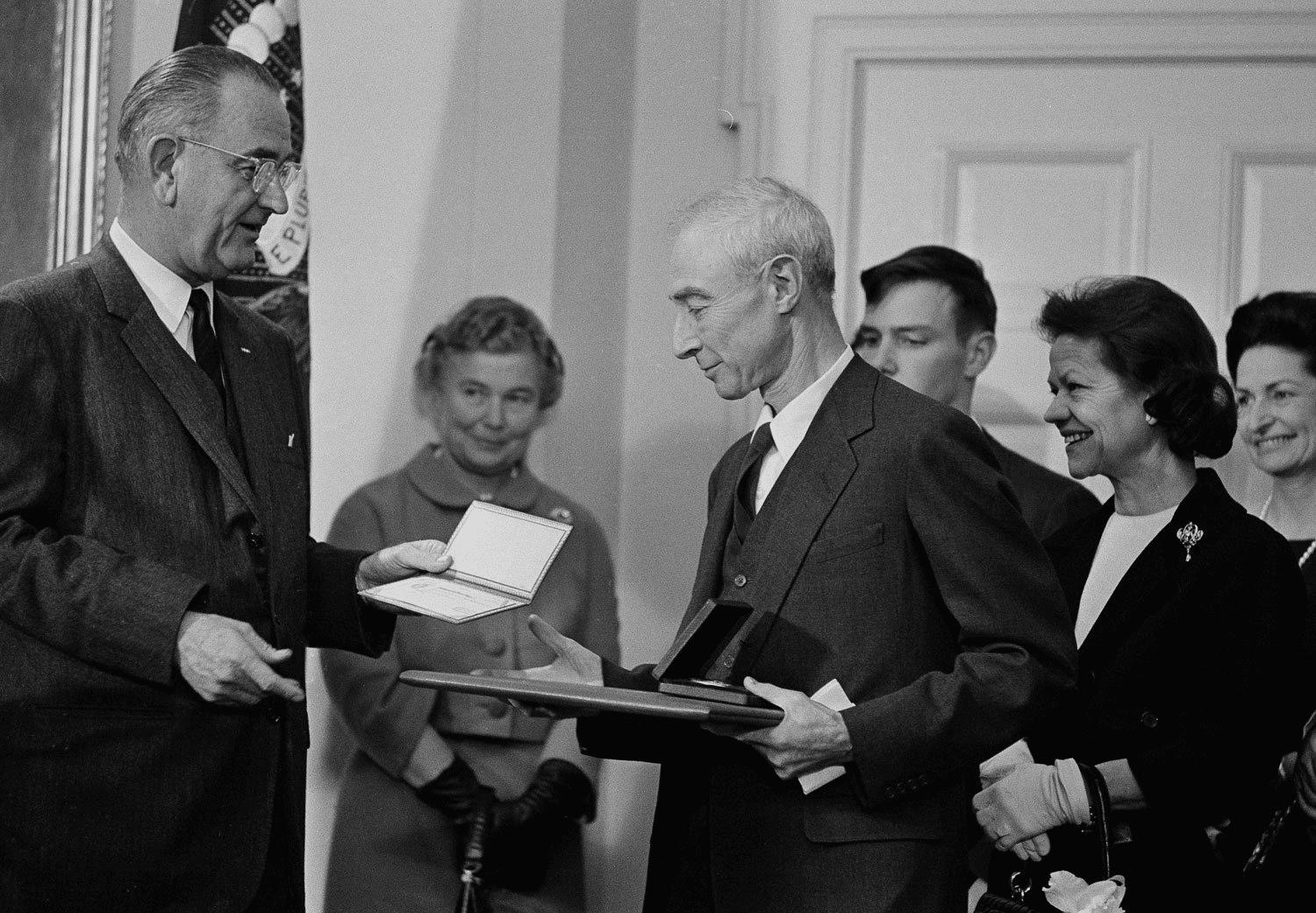

Robert Oppenheimer is one of the most famous names in the world of science. And even if his name isn’t familiar to everyone, his work certainly is. That’s because he introduced the world to nuclear weapons, earning him the nickname “the father of the atomic bomb.” Yet, it wasn’t just his work that became a topic of debate, but also his life, character, and views. What he was passionate about, what he thought, the moral dilemmas he faced, and how he endured difficult times—his story is truly fascinating. Read more on new-york-future.
Robert’s Early Life and Education
Robert Oppenheimer was born in New York City and grew up in a creative family. His father was a wealthy textile importer, and his mother was an artist. It would have been hard to predict that the boy would dedicate his life to science and go down in history as a brilliant physicist. However, his parents raised Robert with their own set of standards, instilling in the future researcher a friendly disposition, leadership skills, and impeccable manners. Yet, there was another side to the physicist’s personality—one that was introverted and contradictory. To truly understand this, it’s worth following his journey of development.
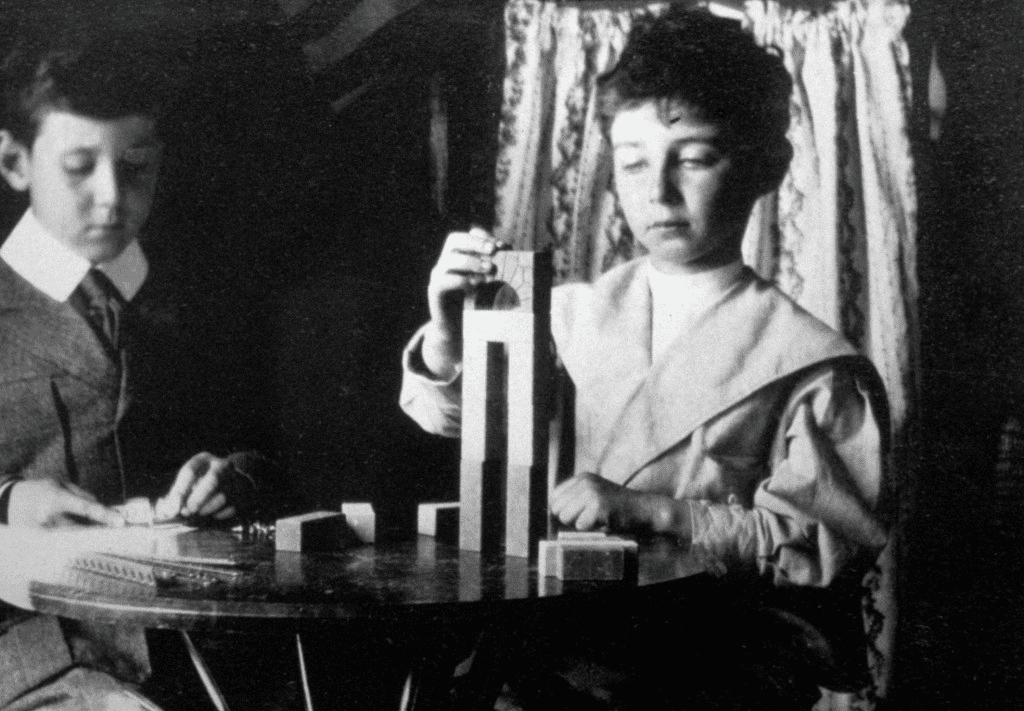
Robert grew up to be an exceptionally curious and intelligent young man. He was interested in everything: art, poetry, music, and languages. And he was surprisingly good at all of it. He wrote poems, inherited his mother’s love for creativity, and had exquisite taste. However, at just five years old, Robert discovered his true passion: mineralogy. The young researcher became obsessed with a rock collection his grandfather gave him, and he relentlessly expanded it. His family supported all his interests, allowing Oppenheimer to confidently explore his passions. Robert was an outstanding student in school, dedicating time to his hobbies, conducting laboratory research, and showing an early interest in physics, surpassing his peers with his knowledge. For instance, at the age of 12, he was already giving lectures to members of the New York Mineralogical Club. But behind these achievements was another side of his life that shaped his personality. The boy was often ill, and his family tried to shield him from all dangers. As a result, he had no friends, was constantly baffled by the cruelty of others, and even called himself the loneliest person in the world.
His time at Harvard University was particularly notable, as he managed to complete his degree in just three years. After starting a year late due to illness, Oppenheimer enrolled in as many classes as possible and eagerly absorbed information. Although his initial major was chemistry, he quickly grew disillusioned with it and switched to physics. It was in college that he found his first mentor, Percy Bridgman, whose thermodynamics course captivated the young student. After earning the highest GPA in the university’s history, Robert continued his studies at Christ’s College, Cambridge. There, his attention was drawn to the Cavendish Laboratory. Despite his mentor’s concerns about his work in the lab, he immersed himself in the experience. And it proved to be a failure. Oppenheimer’s restless nature yielded no results in laboratory work, leaving him disappointed. This is why his next stop was the University of Göttingen, where he found a stimulating community, earned his doctorate, and received a lucky ticket for his career.
An Exceptional Personality
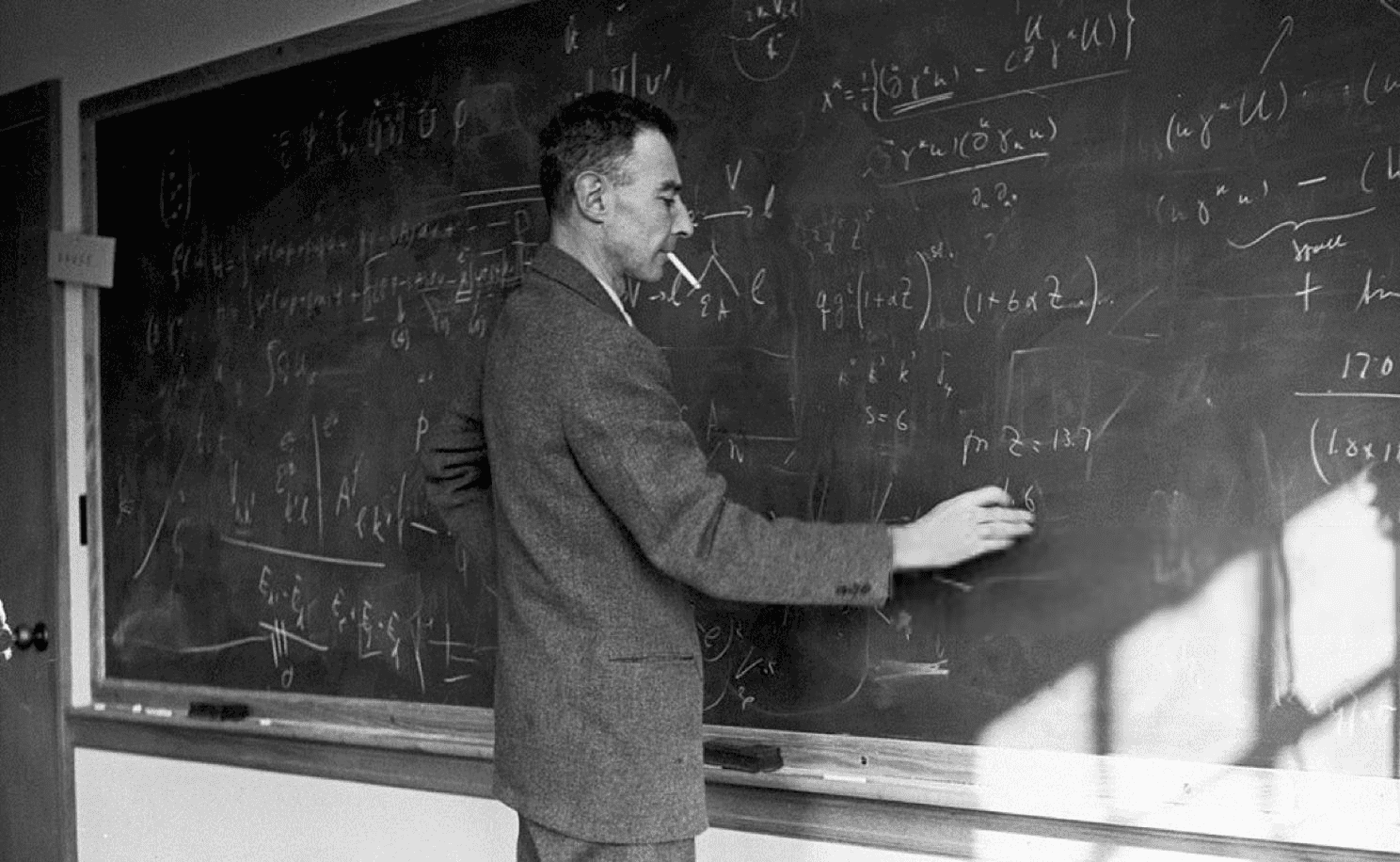
No less than his scientific achievements, his personality amazed everyone. It was a study in contradictions that left no one indifferent. Born into a wealthy family, Robert could have focused solely on his own hobbies. Yet, few would have recognized him as a man of means. He dressed in simple clothes, weighed no more than 128 pounds, and paid little attention to his status. His constant health problems, which weakened him, and his insatiable desire to smoke added to the contrast. Robert was known for his excellent manners and impeccable taste. Since childhood, his family had protected him from external hardships, which may be why he found it so difficult to fit in. On the other hand, he attracted people with his charisma.
Oppenheimer could be accurately described as a reclusive genius who was completely engrossed in his work. However, he was also called a cheerful, captivating, charming, and interesting man. He could easily become the life of the party, entertaining everyone and leading people. But this didn’t exclude the fact that at other times, his thoughts were impossible to decipher, as he would become withdrawn. Robert repeatedly sought help from psychologists, who diagnosed him with depression. This was a result of his initial lack of success in his scientific pursuits. It also highlighted the restlessness that his professors noted. Furthermore, the physicist contributed to many of his colleagues’ Nobel Prize-winning research, predicted numerous discoveries, and shared his ideas with others. However, he himself never received this highest honor, as he often failed to see things through to the end.
Curiously, it was communication with people that helped pull Robert out of his depressive episodes. After spending time with friends or starting a new romance, the man seemed to come back to life, regaining his strength for work. Oppenheimer was also incredibly self-critical. He didn’t consider any of his own discoveries to be good enough and couldn’t look at his own work without a hint of dissatisfaction. It is a strange fact that his colleagues noted his love for psychology surpassed his passion for science. And the physicist was indeed interested in different religions, a fondness for mysteries, and everything that couldn’t be proven in a laboratory. People were captivated by Robert’s charm and amazed by his mind, but no one could say they truly knew the man. And these contradictions in his character only made the scientist more intriguing to people.
The Manhattan Project
After earning his doctorate, Oppenheimer’s name became well-known in scientific circles. Both European and U.S. universities wanted him. Robert gave lectures in various countries, and what was most impressive was that he delighted his audiences by speaking their native language. This made him even more beloved. Eventually, the physicist settled on a teaching position at the University of California, Berkeley. There he conducted his research and contributed to the discoveries of others. The man became not only an authority for his colleagues and students but also a true role model. This factor was probably one of the most important in his next great endeavor.
That endeavor was the Manhattan Project, which brought Robert Oppenheimer his greatest fame. The project, founded in 1941, was a top-secret effort to develop nuclear weapons. It involved many scientists and military personnel who came together for a common goal. The physicist initially did not have a permanent position on the team, serving as a consultant on various issues. He was entrusted with some of the calculations, which he undertook. His role only grew significantly later. This happened after Leslie Groves was appointed as the project’s director. The military officer immediately recognized Oppenheimer’s value and agreed with him to establish a laboratory for further work. Oppenheimer had no Nobel Prize, was known for his controversial political views, and many doubted his organizational skills. But only those who weren’t familiar with the man would think that way. And these prejudices didn’t stop Groves from appointing Oppenheimer as the laboratory director.
The team’s workplace became the town of Los Alamos in New Mexico. It was recommended by Robert, who owned a nearby ranch. Just like that, Oppenheimer’s dream of enjoying the desert and physics came true. The man took on the organizational work, and soon, the vast area housed the Los Alamos Laboratory, housing for staff, and other infrastructure. Robert personally visited various universities across the country, inviting his students, acquaintances, and colleagues to join the project. And it worked, as the staff grew steadily, and soon the physicist had to lead thousands of scientists. Although there were many misunderstandings between the military and the scientists, everyone was eager to achieve results as quickly as possible. They were pressured by the events of World War II and the possibility that another country would gain the lead.
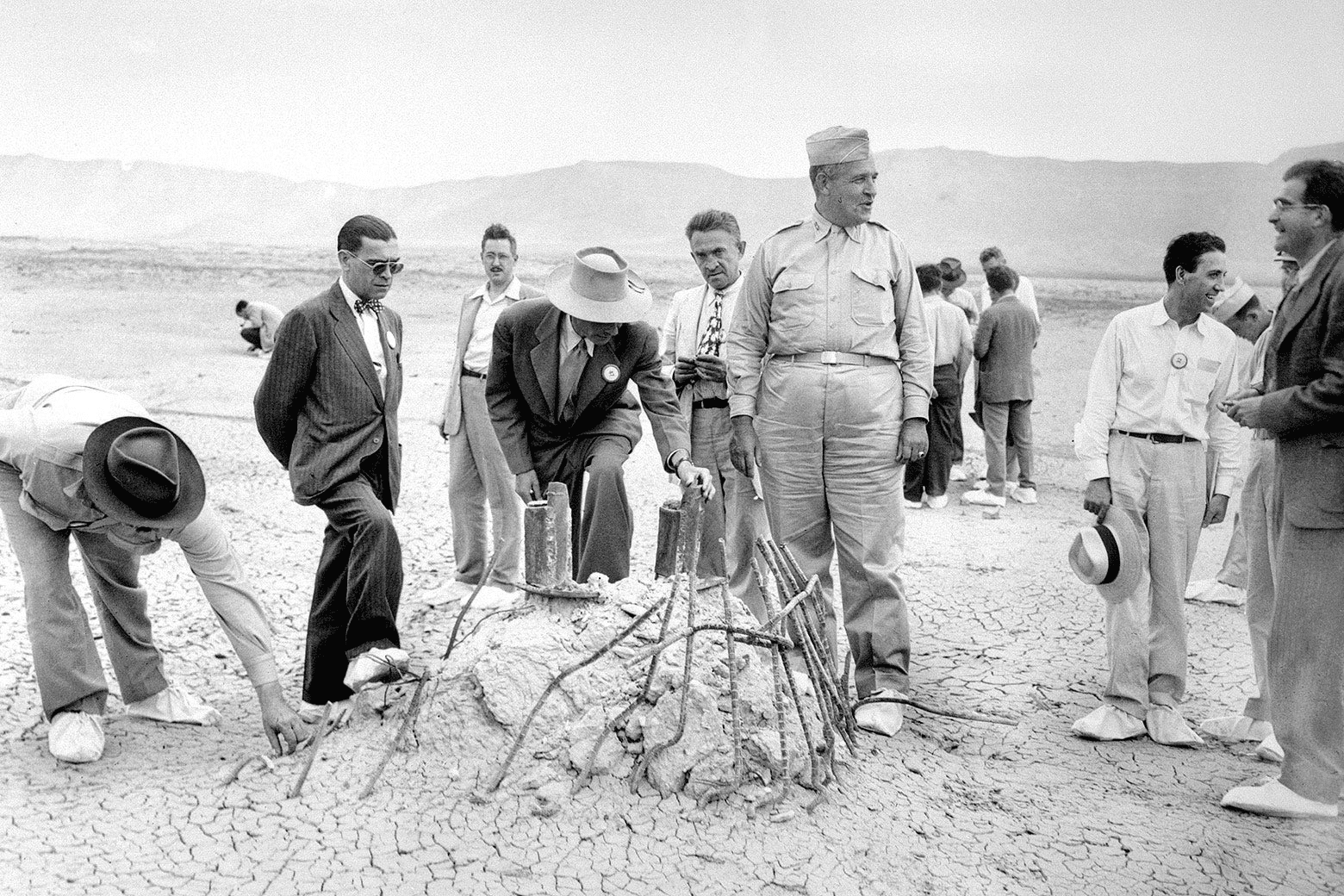
Robert Oppenheimer proved to be an exceptionally skilled leader. He created excellent conditions for the team and successfully organized the work of all departments. He was always aware of every detail of the bomb’s development, was present at important decisions, and solved problems. Although the staff dedicated a lot of time to the project, they remembered it with the fondest emotions. For two years, brilliant scientists, talented researchers, and military personnel worked together in the middle of the desert. And the result of their work was confirmed on July 16, 1945, when the atomic bomb was detonated. Oppenheimer stood still, waiting with the other team members. And on that same day, he could finally breathe a sigh of relief, as the mission was accomplished.
Oppenheimer’s Moral Dilemma
Robert Oppenheimer was initially overjoyed with the new invention and wanted to demonstrate its power. It was the joy of a researcher who had worked on something for a long time and achieved a result. It was also the excitement of a person who had done something monumental and received approval. He was eager to give his country the lead in this field, and he succeeded. This is likely where the positive aspects that the physicist believed in came to an end. Soon, the reality of the situation dawned on him. It’s impossible to say that Oppenheimer didn’t understand the impact of this discovery on humanity, but there were some things he wasn’t prepared to face. After the bombings of Hiroshima and Nagasaki, the man set a new goal for himself: to regulate nuclear research and weaponry.
In October 1945, Robert met with U.S. President Truman. He confessed to feeling guilt, telling Truman that he felt he had blood on his hands. It was an emotional confession that only made Truman view the physicist as weak, assuring him that he wasn’t responsible for the bomb. The man left his job at Los Alamos Laboratory and urged everyone to ban nuclear weapons. This led to the idea of creating an international organization to control these issues. However, the countries that had tasted victory were no longer interested. A fatal decision for Oppenheimer was his lack of support for the development of the hydrogen bomb. After that, the scientist was monitored more closely. Every conversation was recorded, and his every move was under the surveillance of special services. Ultimately, his past, which included sympathizing with some communist ideas, became the weapon used against him. He was accused of being an agent for the Soviet Union. Although there was not enough evidence or testimony, his access to classified information was revoked in 1954.
Oppenheimer spent the final years of his life in a kind of exile. The greatest paradox is that the man who led the project to develop the atomic bomb later actively advocated for its prohibition. And this question remains yet another unsolved mystery of Robert Oppenheimer’s personality.