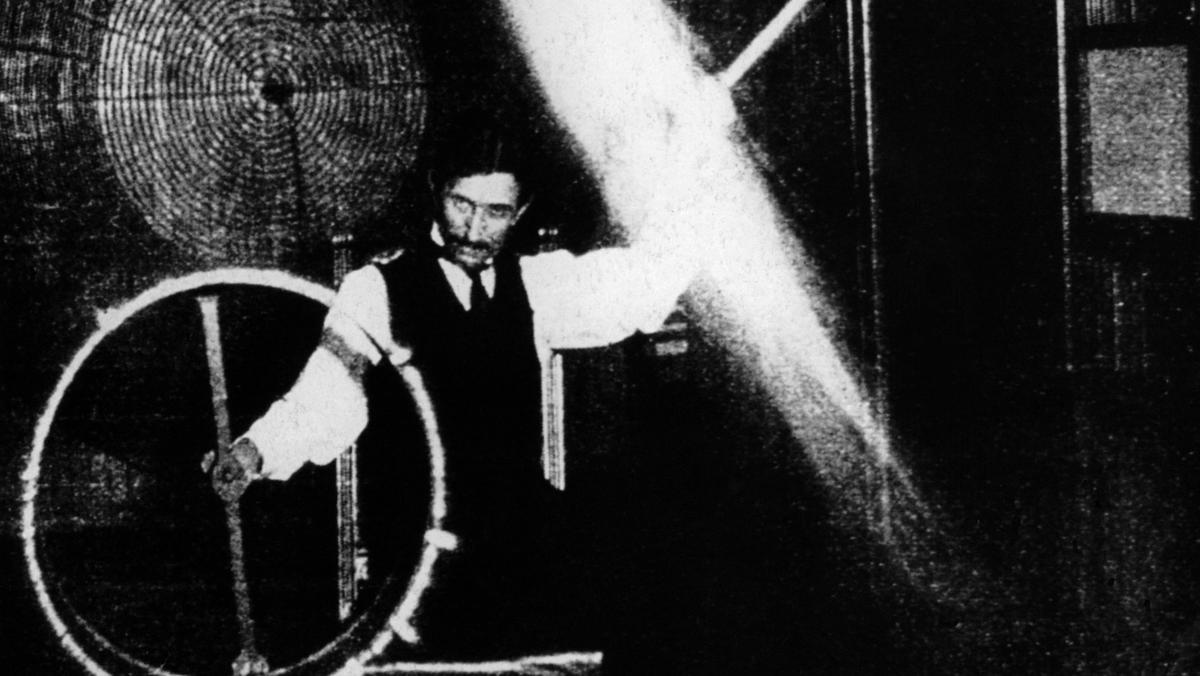

New York is home to many famous inventors who have made significant contributions to science, technology, and society. One of the most celebrated is Nikola Tesla, the engineer who developed the alternating current (AC) electrical system that now powers the entire world. Read more at new-york-future.
He also created the “Tesla coil,” which is still used in radio technology today. Born in modern-day Croatia, Tesla immigrated to New York in 1884 and briefly worked with Thomas Edison before their relationship soured. The Serbian-American scientist sold several of his patent rights, including those for his AC machines, to George Westinghouse.
So, how did Nikola Tesla develop the AC system, and what else is he remembered for? Read on to find out.
Tesla’s Early Life
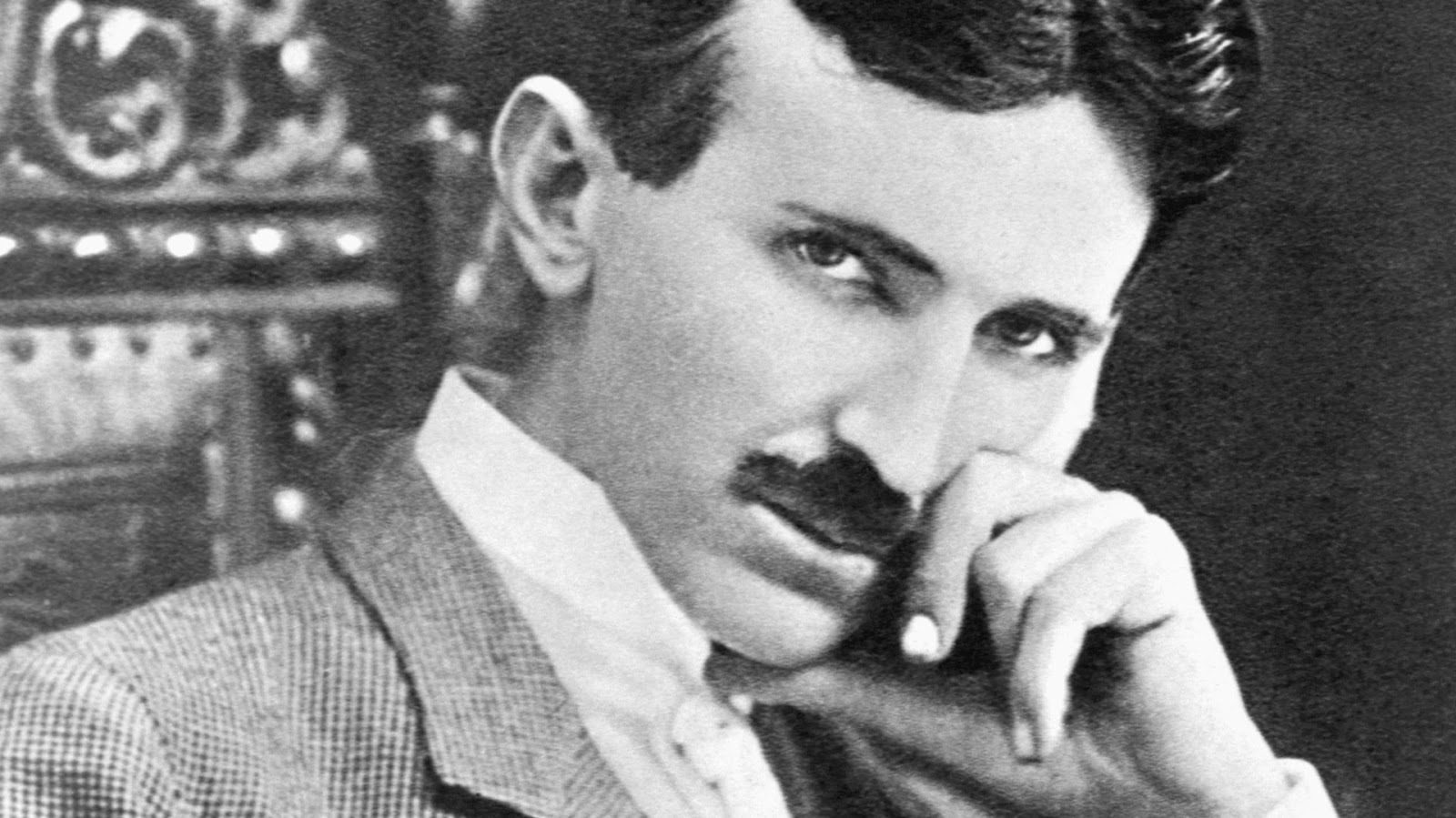
Tesla was born on July 10, 1856, in the village of Smiljan, in the Austrian Empire (part of modern-day Croatia). He was one of five children. Nikola’s interest in electrical inventions was inspired by his mother, Đuka Mandić, who invented small household appliances in her free time as he was growing up. Tesla’s father, Milutin Tesla, was a Serbian Orthodox priest and writer who insisted that his son follow him into the priesthood. But Nikola didn’t share his father’s interests, and despite his father’s disapproval, the future inventor became increasingly passionate about the natural sciences. Tesla finished high school in Germany and then attended the Polytechnic Institute in Graz, Austria, before going on to study at the University of Prague.
The Inventor’s Career
After university, Tesla moved to Hungary, where he briefly worked at the Central Telephone Exchange. It was in Budapest that Tesla first came up with the idea for the induction motor. At the age of 28, Tesla decided to leave Europe and go to America.
In 1884, Tesla arrived in New York with nothing but the clothes on his back and a letter of recommendation for the famous inventor and business magnate Thomas Edison, whose direct current (DC) electrical work was quickly gaining fame across the country. Edison hired Tesla, and the two men soon began working tirelessly side-by-side, improving Edison’s inventions. Unfortunately, the two inventors clashed over business and scientific differences, and this disagreement eventually ended their partnership.
In 1885, Tesla finally got on his feet and secured funding for the Tesla Electric Light Company. He was tasked by his investors with developing an improved arc lighting system. After successfully completing the assignment, Tesla was forced out of the company and worked as a manual laborer for a time to make ends meet. After two years of hard work, fortune returned to Tesla, and he received funding for his new company, the Tesla Electric Company.
Throughout his career, Tesla discovered, designed, and developed ideas for a number of important inventions—most of which were officially patented by other inventors, including dynamos (electrical generators similar to batteries) and the induction motor. He also pioneered the discovery of radar technology, X-rays, remote control, and the rotating magnetic field, the basis for most AC machinery. Tesla is best known for his contribution to alternating current electricity.
Tesla also designed the first hydroelectric power plant at Niagara Falls, which was a monumental achievement in harnessing natural resources for electricity production. This was a great success for both Tesla and New York City, as the invention helped the city save a considerable amount of energy.
Interesting Facts About the Inventor:
- Tesla didn’t have a permanent residence and lived in hotels for most of his life. He was evicted from several hotels for failing to pay his bills.
- Nikola was obsessed with cleanliness. He was also deathly afraid of doctors and refused to seek medical help, even after a terrible car accident.
- Tesla loved feeding pigeons in New York. It is said that he had a favorite pigeon that he named.
- The inventor had a photographic memory. He could recall long written passages, data, and obscure events, even from his early childhood.
- Tesla loved long walks and said that walking helped him think. He walked up to four hours every day.
- Nikola loved celebrating his birthday. He would invite reporters and use the opportunity to promote his latest inventions.
- The inventor was a visionary of future technological progress. He foresaw smartphones, Wi-Fi, self-driving cars, and the potential development of artificial intelligence.
How Did Nikola Tesla Die?
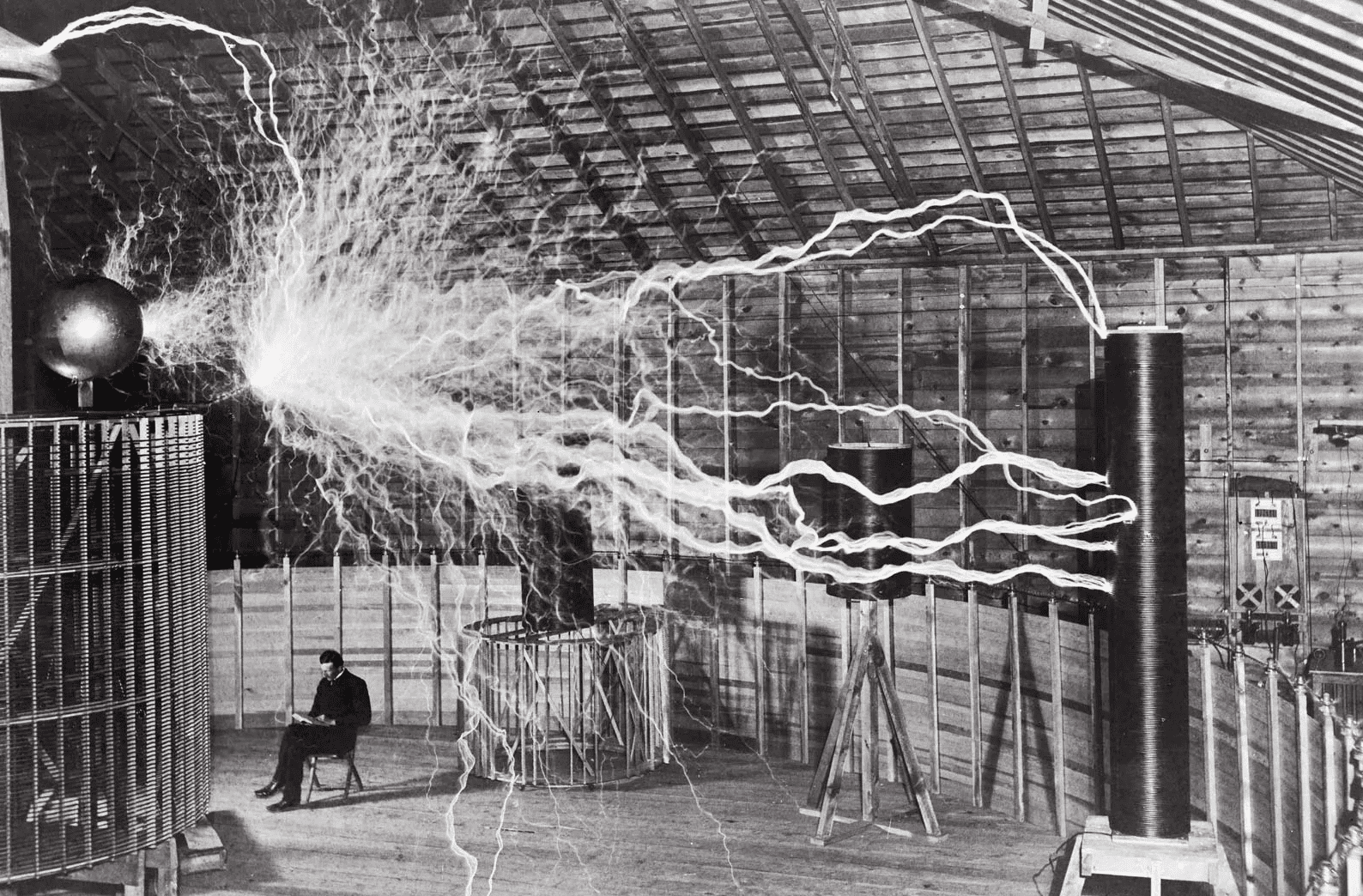
Sadly, the talented inventor’s life was cut short by a terrible illness. Tesla died of a coronary thrombosis on January 7, 1943, at the age of 86 in New York City, where he had lived for nearly 60 years. He spent the last years of his life feeding city pigeons and, as he claimed, communicating with them. In 1943, the U.S. Supreme Court invalidated four of Marconi’s key patents, belatedly acknowledging Tesla’s innovations in radio. The alternating current system he championed and perfected remains the global standard for electricity transmission.