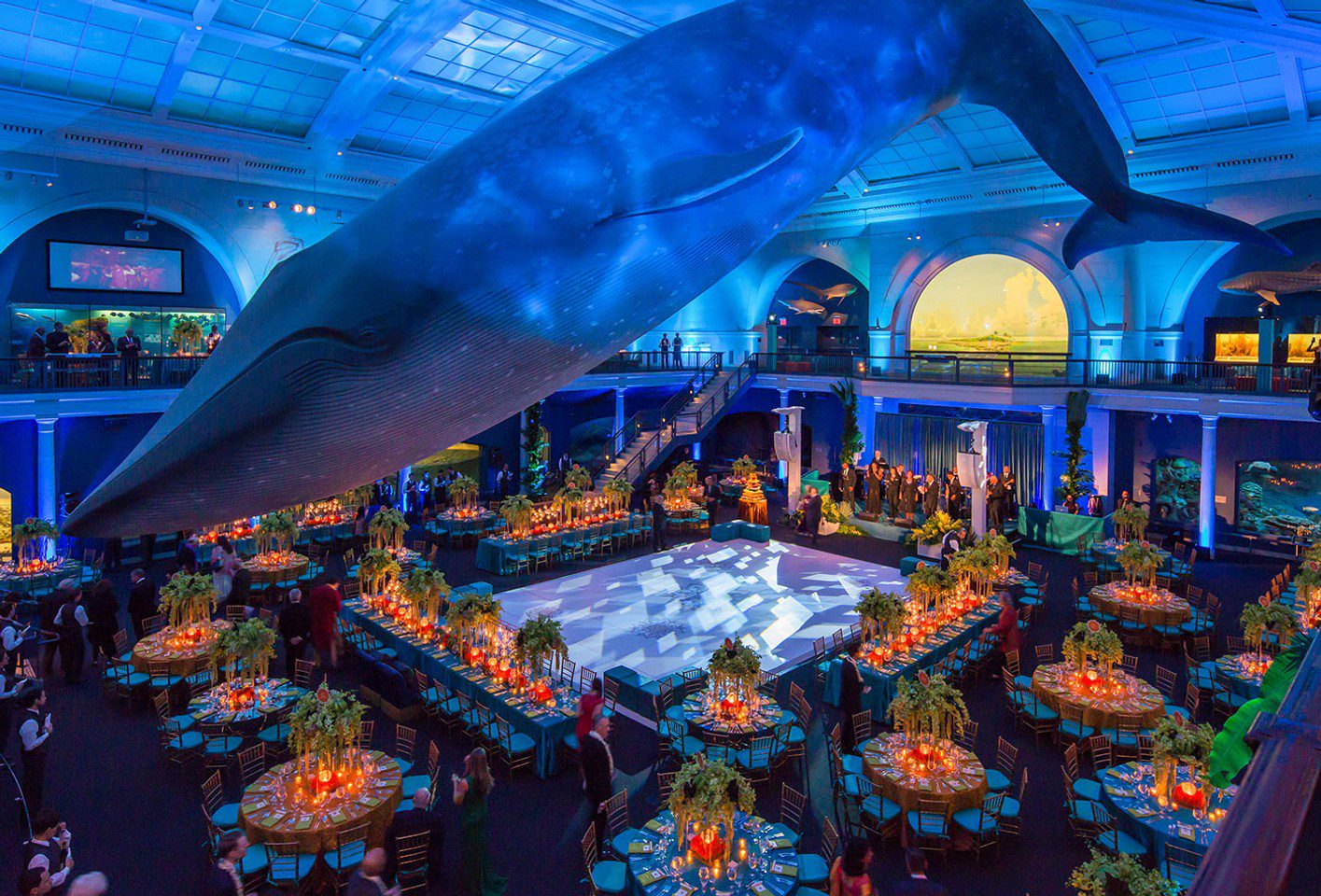

The American Museum of Natural History is a legendary New York institution. With a rich history, it has gained global recognition, consistently championing scientific research for years and fostering a community of like-minded individuals. While some museums primarily preserve exhibits, this institution is always at the forefront of research and discovery. Ultimately, it inspires awe and a thirst for knowledge, which is one of the many goals of its dedicated team. Let’s delve into some of its other objectives in this article, and you can find more at new-york-future.
A Storied History
The American Museum of Natural History boasts a long and fascinating history. It seems the museum has never stopped evolving, consistently improving year after year. This is indeed true, as the institution set ambitious plans from the outset and never veered from them. It quickly became a leading light in New York’s scientific community, a status it has diligently upheld. Its creation was the brainchild of a young enthusiast and researcher, Albert Smith Bickmore. By the age of 22, he had not only solidified his love for nature but also keenly analyzed trends in the scientific world. Bickmore concluded that New York would be an excellent location for a grand project. In 1861, he unveiled his vision for the American Museum of Natural History. Although it didn’t have an official name then, the concept was clear: establish a museum, advance the study of natural sciences, and engage as many people as possible in the endeavor. The city offered all the necessary elements – a large urban center, a receptive audience, and ample resources.
Sponsoring scientific research, preserving human history, and exploring the wonders of nature proved to be an appealing idea for many influential New Yorkers who rallied behind Bickmore. Among them were William Earl Dodge Jr., Theodore Roosevelt Sr., John David Wolfe, and numerous other prominent figures. The Arsenal building in Central Park was chosen as the location. So, on December 30, 1868, the team submitted a letter to the park commissioners with their request, and by April 6, 1869, a law establishing the institution was signed. They managed to raise $14,550, which allowed the team to acquire the museum’s initial collections. On May 22, 1871, the American Museum of Natural History opened its doors to the public. Demand was immense; New Yorkers eagerly flocked to the institution, many collectors donated their treasures, and influential city residents became invested in its growth. When the original space became too small, $500,000 was raised for a new building, and on December 22, 1877, the museum relocated.
Since establishing its permanent home, the American Museum of Natural History has continuously expanded its footprint, undertaken diverse research, and created new halls and exhibitions. Almost every year, a new wing was constructed, collections grew, and past achievements were enhanced. The institution garnered support from renowned New Yorkers, the city, and various organizations. More and more funds were allocated to expeditions, educational programs, and promoting the museum’s activities. Today, we have 21 buildings, 45 permanent exhibition halls, and 32 million diverse specimens.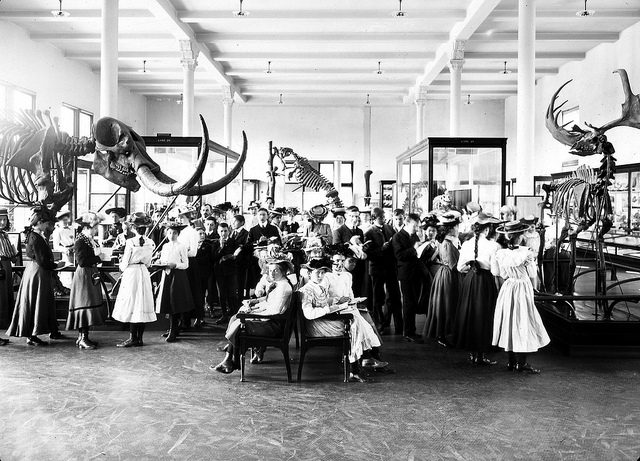
Life Within the Museum
Year after year, the American Museum of Natural History has grown and evolved relentlessly. It stands alone, having forged a truly unique structure. While its thick outer walls might seem unyielding, inside, a vibrant museum life pulsates with expeditions, collections, and creative endeavors. This has been the case from its very inception. Many individuals contributed to this atmosphere, building the museum piece by piece. The original building was designed by Calvert Vaux, who set the tone for all subsequent changes. His vision for the interior was both dynamic and refined. Unfinished details skillfully intertwined with touches of exquisite art, creating an unforgettable impression. What’s more, the American Museum of Natural History still retains an undeniable charm of untouched and pleasing beauty.
The true stars of the institution are, of course, its exhibition halls. They encapsulate the spirit of adventure that filled early researchers, the meticulous work of artists, and the passion for preserving history and knowledge. In 1896, the Hall of Northwest Indians opened, and since then, many more surprises have followed. The New World Mammals, Hall of North American Forests, Milstein Hall of Ocean Life, Hall of African Peoples – these and many other halls are a true paradise for visitors.
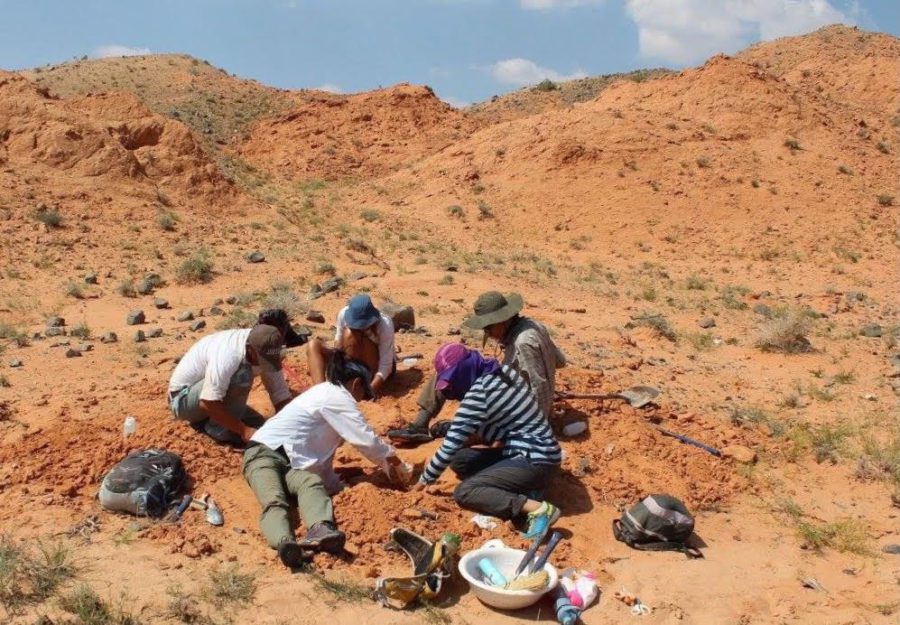
The 20th century marked an era of intense research for the museum, largely thanks to its then-president, Morris K. Jesup. From the North Pole to Mongolia, the Congo jungles, Mexico, and China, researchers brought back a wealth of materials for reconstruction and documentation. This stage then became the work of artists. Simultaneously, Carl Akeley created truly incredible dioramas that allowed people to travel to different corners of the world through the museum’s collections. The next step was introducing New Yorkers to space. The Hayden Planetarium opened in 1935, and in 2000, everyone was astonished by the beauty of the Rose Center for Earth and Space.
The American Museum of Natural History actively embraces each day, so it’s no surprise it’s a true superstar. This is evident from its mentions in numerous books and films, and how explorer Roy Chapman Andrews served as the inspiration for Indiana Jones. The magic of such a grand institution is upheld by a professional team of 225 dedicated individuals.
Key Projects
While its museum collections are a vital part of the institution, it has long expanded its functions to encompass many areas. Therefore, it’s worth exploring the main projects the American Museum of Natural History can truly be proud of.
The pride of the entire team is, of course, its educational outreach. The museum makes every effort to engage students of all ages – from schoolchildren to undergraduates, postgraduates, and even educators. For students of all schools, the institution offers numerous educational programs. Young researchers can join programs like the Lang Science Program, Science Alliance Program, and The Early Adventures Program, among others. Each option teaches children to explore the world around them, fosters curiosity, and offers various programs tailored to age and interests. The offerings for teenagers are equally impressive, including both internships and mentorship opportunities.
The institution also boasts opportunities for those seeking higher education. The Richard Gilder Graduate School consolidates all master’s programs. Individuals can look forward to postdoctoral fellowships, summer internships, grant opportunities, doctoral programs, residencies, and more. Don’t forget Ology, the website for kids, online courses for educators, and numerous lectures for anyone interested.
An exciting museum project is the annual Margaret Mead Film Festival, held at the institution. Its goal is to draw public attention to important themes, spark discussion, and recognize the best works by filmmakers. The event screens documentaries, and innovative vision is honored with the Margaret Mead Filmmaker Award. Margaret herself was an anthropologist who dedicated over 50 years to her work at the American Museum of Natural History.
Equally important is the museum’s media presence, which deserves special attention. If you’ve appreciated the institution’s website, that’s just a small part of the team’s success. Staff skillfully promote their content across all social media platforms. It’s rare to see different platforms simultaneously maintaining such high standards, but the museum has achieved it. The American Museum of Natural History has pages on Facebook, Instagram, TikTok, and YouTube. All accounts are verified and boast a massive following. Facebook leads with 1.3 million followers, while TikTok and Instagram each reach 500,000, and YouTube has 413,000. This is yet another indicator of the museum’s success, influence, and adept work.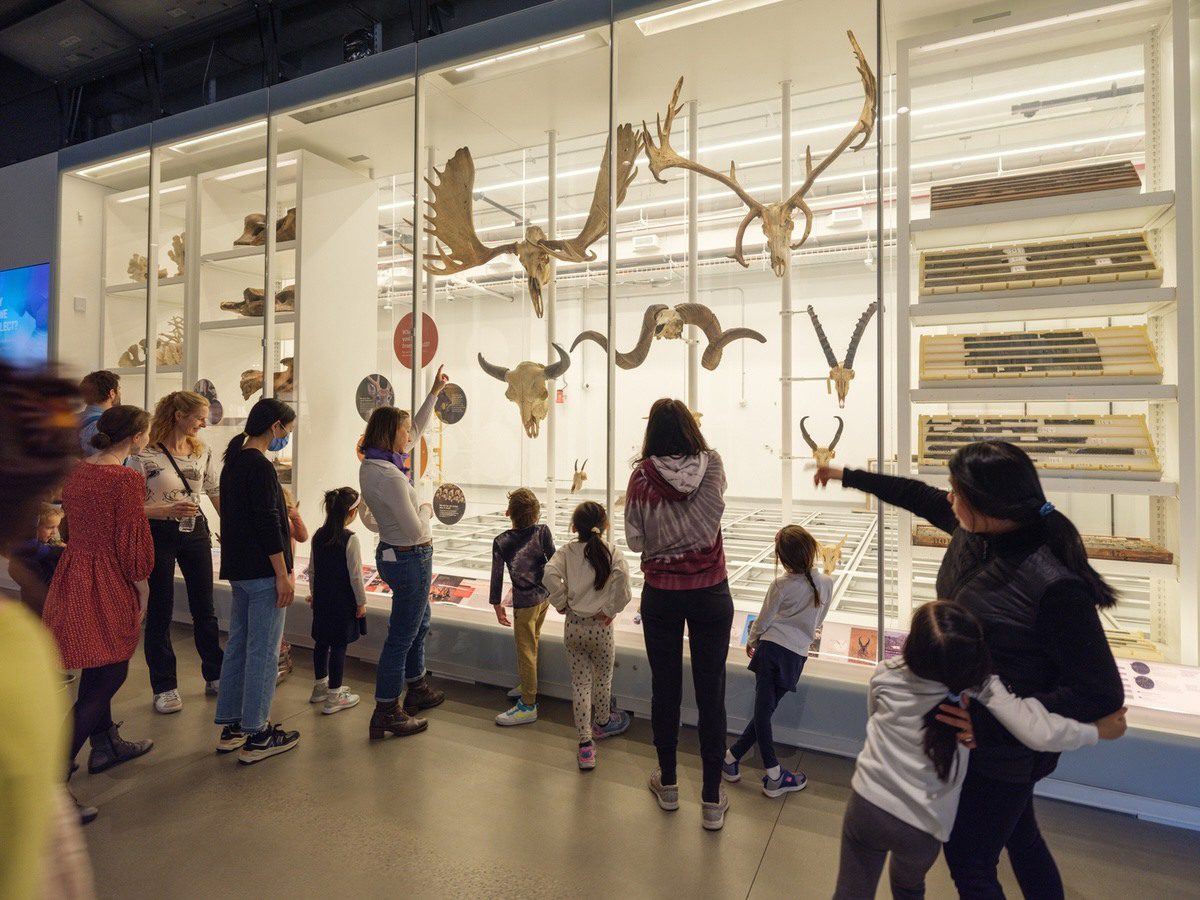
Modern Challenges
For many years, the American Museum of Natural History has continually set new goals and objectives. Its educational, cultural, and scientific endeavors demonstrate enormous responsibility and set an example for others. What challenges does the museum currently face?
In 2022, Sean Decatur, known for his honesty and directness, became the president of this renowned institution. The museum’s primary task, as he emphasizes, is to communicate science in simple terms. While the institution spent many years accumulating exhibits for its collections, it is now focusing on making this data accessible. This means that staff aim to engage everyone and convey complex ideas in easily understandable language, primarily through informal educational events, the integration of modern technologies, and engaging exhibition concepts.
Another significant challenge involves working with collection specimens. The president acknowledges that the museum made mistakes in the past but is now committed to ethically responsible collecting. Firstly, the institution has listened to public opinion, removed certain exhibits, reevaluated perspectives on various installations, and transferred ownership of items. The museum also adheres to collaboration standards and meticulously reviews all aspects of agreements. And, of course, the leadership promotes a responsible approach to this work.
Another goal of the American Museum of Natural History is to attract as many professionals as possible. Work at the museum involves numerous processes and touches upon many fields. Expeditions, restoration, scientific activity, teaching, collection care – there are countless open positions awaiting the right people. The institution’s task is to find employees who are passionate about this work, strive for excellence, and have innovative ideas for the museum’s development. While some specialists come from other universities, some are graduates of the institution’s own educational programs. This is already a significant step towards overcoming this challenge.